

Last Updated:
March 23rd, 2026
Alcohol Withdrawal and Detox | Symptoms, Timeline and Safe Support
Alcohol withdrawal can be unsettling, both for the person experiencing it and for those around them. Many people only become aware of withdrawal when symptoms appear after cutting down or stopping drinking. Others begin searching for information after noticing worrying changes in a loved one’s behaviour, mood, or physical health.
Alcohol withdrawal symptoms are a sign that the body has become dependent on alcohol. While some symptoms may feel mild at first, others can escalate quickly and carry serious health risks. Alcohol detox is the process of supporting the body through withdrawal safely, reducing risk and creating a stable starting point for recovery from addiction.
Understanding what withdrawal looks like, how detox works, and when professional support is needed can help people make safer decisions at an often stressful time.
Understanding alcohol withdrawal
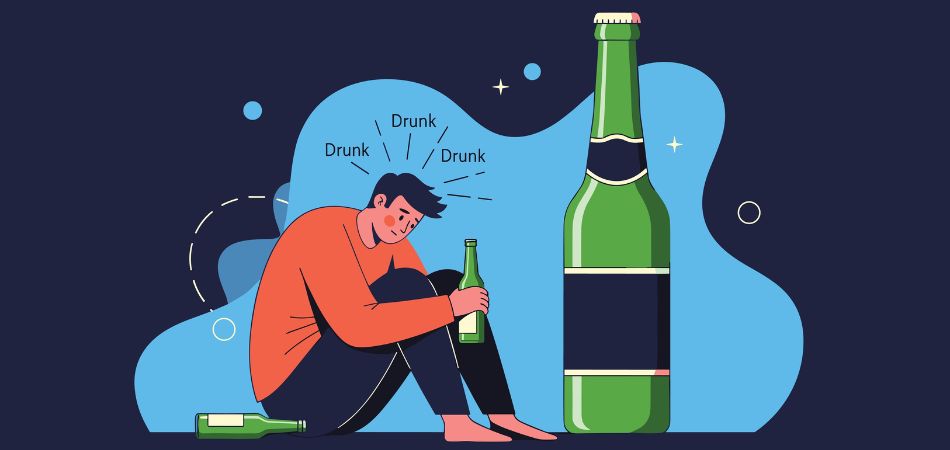
Alcohol affects the brain and nervous system by slowing down certain functions and dampening stress responses. When someone drinks regularly over a long period, the body adjusts to the presence of alcohol. This adaptation is what leads to physical dependence.
When alcohol intake is suddenly reduced or stopped, the nervous system becomes overactive. This rebound effect is what causes alcohol withdrawal symptoms. The body is essentially struggling to regain balance without alcohol.
Withdrawal does not mean someone lacks willpower or motivation. It is a physiological response that can affect anyone who has developed dependence, regardless of age, background, or circumstances.
Common alcohol withdrawal symptoms
Alcohol withdrawal symptoms often begin within hours of the last drink. Early symptoms may feel similar to anxiety or flu, which can make them easy to dismiss. Over time, symptoms can become more intense.
Commonly reported alcohol withdrawal symptoms include physical and psychological changes such as:
- shaking or trembling, particularly in the hands
- sweating and clammy skin
- headaches and sensitivity to light
- nausea, vomiting, or loss of appetite
- anxiety, irritability, or restlessness
- disturbed sleep or vivid dreams
- low mood or difficulty concentrating
- a fast or irregular heartbeat
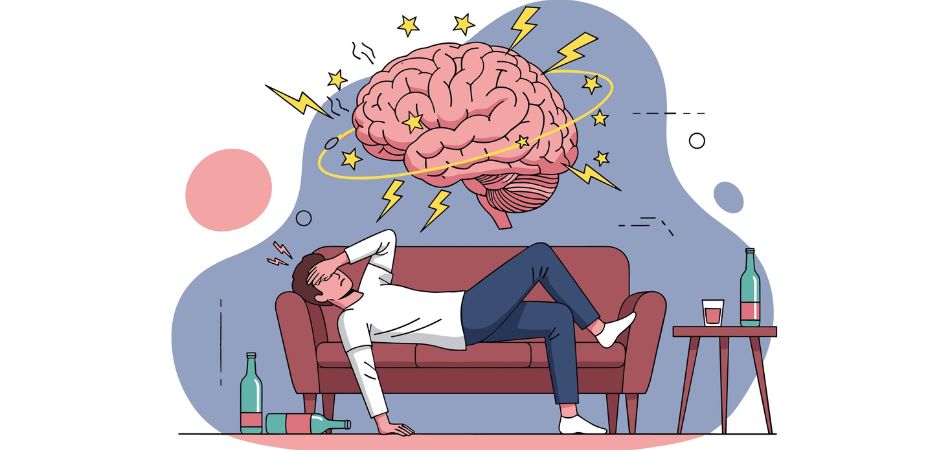
These alcohol detox symptoms vary in severity. Some people experience only a few, while others develop a wider range. The presence of symptoms usually indicates physical dependence and should be taken seriously.
Severe withdrawal and medical risk
For some individuals, alcohol withdrawal symptoms progress beyond discomfort and become medically dangerous. Severe withdrawal is more likely in people who drink heavily, have been drinking for many years, or have withdrawn from alcohol before.
Serious symptoms can include confusion, agitation, hallucinations, and seizures. Delirium tremens is the most severe form of alcohol withdrawal and can involve sudden changes in mental state, high fever, heavy sweating, and problems with heart rate or blood pressure.
These symptoms are unpredictable and can be life threatening without treatment. Anyone experiencing seizures, hallucinations, severe confusion, chest pain, or uncontrollable vomiting should receive urgent medical care. Withdrawal is not something to manage alone when these risks are present.
Alcohol detox timeline
The alcohol detox timeline helps explain how withdrawal may unfold, though it is never exact. Each person’s experience depends on their drinking history, physical health, and previous withdrawals.
The alcohol detox timeline is a guide rather than a rule. This variability is why individual assessment is essential before stopping alcohol.
Alcohol detox at home
Alcohol detox at home is something many people consider, often because it feels private or less disruptive. However, for anyone with alcohol dependence, detoxing without medical support can be risky.
Withdrawal symptoms can escalate quickly, even if they begin mildly. Without monitoring, seizures or severe confusion may not be treated in time. Managing withdrawal at home can also place significant pressure on family members who may feel responsible for keeping the person safe.
Alcohol detox at home may be appropriate only in very limited circumstances and usually under medical guidance. For many people, a supervised approach offers a far safer alternative and reduces the likelihood of complications.
What medical detox involves

Medical detox focuses on managing alcohol withdrawal symptoms safely while supporting the body through the withdrawal process. It begins with a thorough assessment of drinking history, how alcohol has affected your physical health, how alcohol has affected your mental health, and any previous withdrawals.
During medical detox, the individual is monitored regularly so that symptoms can be managed promptly. Support often includes hydration, nutritional support, help with sleep, and reassurance during periods of anxiety or discomfort.
Medical detox does not aim to address the psychological causes of alcohol use. Its role is to stabilise the body and reduce risk, allowing further treatment to begin from a safer, more settled position.
Medications for alcohol detox
Medications for alcohol detox are often used to reduce the risk of serious complications and make withdrawal more manageable. The choice of medication depends on the individual’s symptoms, health, and level of dependence.
Benzodiazepines are commonly used in medical detox to reduce the risk of seizures and help manage severe anxiety or agitation. Vitamin supplementation, particularly thiamine, is also important to protect brain health and prevent long-term neurological problems.
Other medications may be used to support sleep, nausea, or specific symptoms where clinically appropriate. Medications for alcohol detox are always prescribed and monitored by healthcare professionals. Using unprescribed medication or alcohol to manage symptoms is unsafe and should be avoided.
What happens after detox
Alcohol detox addresses physical dependence, but it does not resolve the underlying reasons someone drinks. Without further support, many people return to alcohol once withdrawal symptoms subside.
Ongoing alcohol rehab treatment focuses on understanding triggers, developing coping strategies, and building a more stable routine. Cognitive behavioural therapy helps people recognise patterns that lead to drinking and learn practical ways to respond differently. Dialectical behaviour therapy can support emotional regulation and distress tolerance, particularly for those who struggle with intense emotions.
Mutual support programmes, including twelve step approaches and alternatives, offer structure and connection. Aftercare planning helps maintain progress and reduces relapse risk by ensuring continued support beyond initial treatment.
Supporting someone through withdrawal and detox
Supporting someone with alcohol withdrawal symptoms can be challenging. Conversations are often more productive when they focus on concern and safety rather than blame. Encouraging medical advice before stopping alcohol is one of the most important steps a family member can take.
Practical support may involve helping to arrange appointments, keeping track of symptoms, or creating a calmer environment during detox. It is equally important for family members to look after their own wellbeing. Living alongside alcohol dependence can be emotionally draining, and support for families of an alcoholic is often an important part of recovery.
Speak to EATA about alcohol detox
If you are concerned about alcohol withdrawal symptoms, or unsure whether alcohol detox is needed, speaking to a professional can provide clarity and reassurance.
EATA offers confidential guidance on alcohol detox and treatment options, with an emphasis on safety, clinical support, and individual needs. An initial conversation focuses on understanding risk, discussing appropriate levels of care, and exploring next steps without pressure.
Whether you are seeking urgent advice or planning treatment, support is available – contact us today.
Frequently Asked Questions
Discover our alcohol help guides
The digestive system does far more than just proce… More
We all know alcohol abuse can damage the liver but far fewer… More

When most people hear the word alcoholism, they picture someone whose life has spiraled out of control, th… More