
Alcohol & Ketamine Addiction Support

Alcohol and ketamine addiction affect thousands of individuals and families across the UK. The European Addiction Treatment Alliance (EATA) provides a trusted resource to help you better understand these addictions and the challenges that often accompany them.

Through clear guidance and access to experienced treatment professionals, EATA helps individuals and families explore the support and treatment options available for lasting recovery.

  • 10,473

    alcohol‑specific deaths were registered in the United Kingdom in 2023.

    01
  • 1,018,986

    alcohol‑related hospital admissions were recorded in England in 2023/24

    02
  • 1 in 5

    adults in England (20%) drank more than 14 units per week in 2024.

    03
  • 99,955

    adults were in treatment for alcoholism in England in 2024/25 (30% of all adults in treatment).

    04
  • 5,365

    adults started treatment for ketamine dependence problems in a single year between April 2024 and April 2025.

    01
  • 60

    drug‑poisoning deaths registered in 2024 involved ketamine.

    02
  • 680,000

    adults in England and Wales report using ketamine in the past year.

    03
  • 1 in 4

    regular users of ketamine develop ketamine bladder symptoms

    04

Alcohol addiction support

Alcohol Addiction Support

ALCOHOL DETOX, REHAB & FAMILY GUIDANCE

If alcohol use is affecting your health, relationships or daily life, finding the right support can feel overwhelming. EATA provides clear guidance on alcohol detox and alcohol rehab, while also helping families of alcoholics understand how to support a loved one through treatment and recovery.

Learn More About Alcohol Rehab Treatment

Ketamine Addiction Support

Ketamine Detox, Rehab & Family Guidance

If ketamine use is affecting your health, wellbeing or daily life, finding the right support can feel overwhelming. EATA provides clear guidance on ketamine detox and rehab, while helping individuals and families understand the risks, symptoms and treatment options available.

Learn More About Ketamine Rehab Treatment

Ketamine addiction support
Frequently Asked Questions

Learn More About the Dual Diagnosis of Ketamine and Alcohol

What does ketamine and alcohol dual addiction mean?
Dual addiction refers to a harmful or dependent pattern of both ketamine use and alcohol use, rather than only one substance. UK clinical guidance highlights that when more than one substance is involved, assessment should cover risks linked to alcohol misuse and other drug use (including overdose).
Why is mixing ketamine with alcohol especially risky?
It is advised not to mix ketamine with depressants such as alcohol because it substantially increases the risk of serious adverse effects and overdose. The same review notes ketamine may be used to enhance the effects of other substances, including alcohol, which can reinforce mixing.
How common is alcohol co-use in ketamine emergency cases in Europe?
In European hospital data, alcohol was involved in 43% of ketamine-related emergency visits where this information was recorded. While this doesn’t reflect all cases, it highlights how commonly the two substances are used together and the increased risks that can come with it.
How common is ketamine use in England and Wales?
ONS estimates that in year ending March 2025, 2.0% of 16–24-year-olds reported ketamine use in the last year (and 0.8% among ages 16–59). ONS notes the survey is household-based and likely underestimates drug use because some groups are excluded (e.g., prisons, homelessness) and disclosure is imperfect.
Is ketamine treatment demand increasing in England?
In England in 2024/25, 5,365 adults starting treatment had ketamine problems recorded, making up 3.2% of all adults entering treatment. OHID reports this is over 12 times higher than 2014/15 (426), indicating a steep rise in treatment need.
Are therapies the same for alcohol and ketamine addiction?
Many therapies are shared, as they address common psychological and behavioural patterns linked to addiction. Treatment plans are adjusted to reflect the specific physical and psychological challenges associated with alcohol and ketamine use.
What do official statistics show about ketamine-related deaths in England and Wales?
ONS reports ketamine was mentioned in 60 drug-poisoning deaths registered in England and Wales in 2024. ONS cautions that substance-specific figures are often underestimates (21.4% had no drug type recorded) and most deaths involve multiple substances, so “mentions” cannot show which substance was primarily responsible.
Can heavy ketamine use cause bladder and urinary tract problems?
EUDA reports chronic urological harms among heavy ketamine users, including severe ulcerative cystitis and lasting bladder dysfunction. These harms are serious enough that some countries have developed specialised clinics for ketamine-related bladder and urologic complications.
Is it safe to stop drinking suddenly if ketamine is also involved?
Alcohol withdrawal can have severe complications, including seizures and delirium tremens, and may require medically assisted withdrawal with monitoring. If alcohol dependence is possible, seek clinical advice before cutting down—especially when other substances (such as ketamine) are part of the picture.
What does effective treatment look like for ketamine + alcohol problems?
UK clinical guidance states alcohol misuse should be addressed as part of drug treatment (not separately), and that managing combined alcohol and other drug dependence requires specialist skills. A practical dual addiction treatment plan usually includes a full assessment, safer withdrawal planning when needed (particularly for alcohol), psychological support, and aftercare to reduce relapse risk.
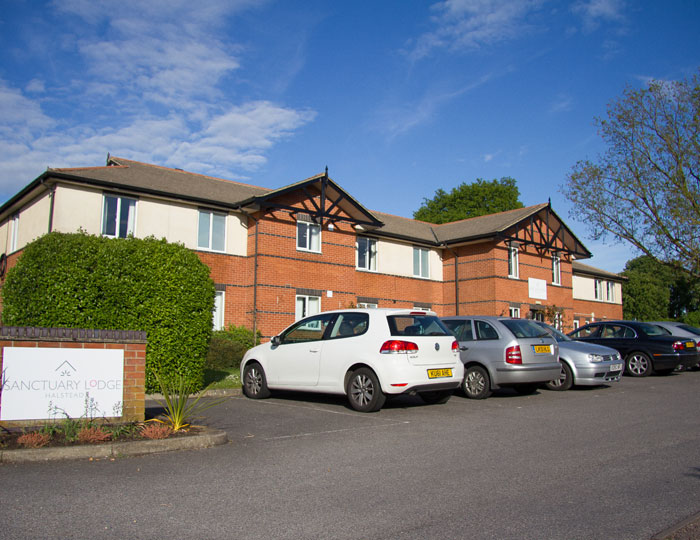
Sanctuary Lodge, Essex
Sanctuary Lodge - Essex
Features & Benefits
  • Wellness-oriented
  • Relaxing atmosphere
  • Onsite gym
FIND OUT MORE
Recovery Lighthouse, West Sussex
Recovery Lighthouse - West Sussex
Features & Benefits
  • Innovative therapies
  • Caring staff
  • Comforting environment
FIND OUT MORE
Primrose Lodge, Surrey
Primrose Lodge - Surrey
Features & Benefits
  • Private therapy rooms
  • Nutritional meals
  • Accessible outdoor space
FIND OUT MORE
Liberty House, Bedfordshire
Liberty House - Bedfordshire
Features & Benefits
  • Psychological therapies
  • Secure surroundings
  • Collective healing
FIND OUT MORE
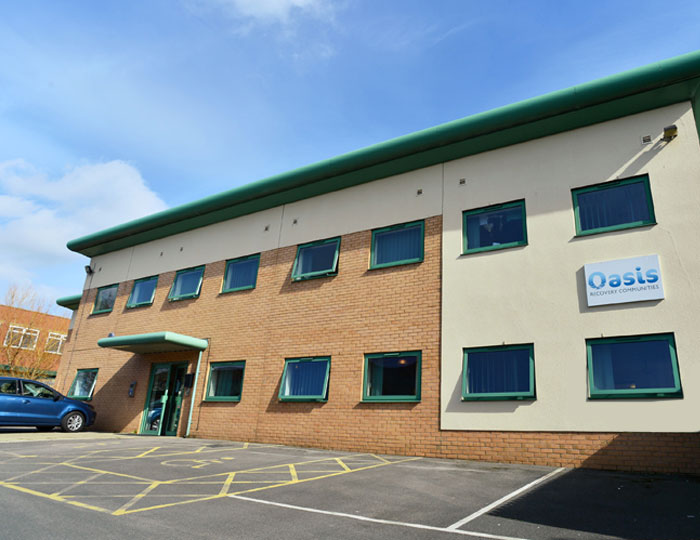
Oasis Recovery, Bradford
Oasis Recovery - Bradford
Features & Benefits
  • Tailored programmes
  • Inviting living areas
  • Family involvement
FIND OUT MORE
Oasis Recovery, Runcorn
Oasis Recovery - Runcorn
Features & Benefits
  • Holistic healing
  • Community engagement
  • Aftercare services
FIND OUT MORE
Banbury Lodge, Oxfordshire
Banbury Lodge - Oxfordshire
Features & Benefits
  • Individual attention
  • Holistic approach
  • Relapse prevention
FIND OUT MORE
Linwood House, Barnsley
Linwood House - Barnsley
Features & Benefits
  • Mindfulness practices
  • Safe environment
  • State-of-the-art facilities
FIND OUT MORE
Providence Project, Bournemouth
Providence Project - Bournemouth
Features & Benefits
  • Established in 1996
  • Programmes from 4 weeks to 6 months
  • Located moments from the beach
FIND OUT MORE