Last Updated:
March 23rd, 2026
Ketamine Addiction | Signs, Effects and Support
Ketamine use has become increasingly visible across the UK in recent years. Once known mainly as a medical anaesthetic or an occasional party drug, ketamine is now more widely used in social settings, particularly among younger adults. Alongside this rise, there has been growing concern about ketamine addiction and the serious health problems that can follow prolonged use.
Ketamine addiction does not always look obvious at first. Many people continue with work, education, or relationships while their use gradually escalates. Others begin using ketamine to cope with stress, low mood, or emotional discomfort, without realising how quickly patterns can change. This page is here to provide clear information about ketamine addiction, ketamine abuse, ketamine dependence, and ketamine misuse, as well as guidance on when to seek support.
What is ketamine?
Ketamine is a dissociative drug originally developed for use in medical and veterinary settings. In controlled environments, it has been used safely as an anaesthetic and, more recently, in specific clinical contexts for treatment-resistant depression.
Outside medical supervision, ketamine is commonly taken recreationally for its dissociative and euphoric effects. At higher doses, it can cause detachment from reality, distorted perception, and impaired awareness of the body. The way ketamine affects the brain and nervous system also contributes to its addictive potential when misused.
A key point of confusion for many people is the difference between prescribed ketamine and illicit use. Medical ketamine is administered in carefully controlled doses, with monitoring and clear treatment boundaries. Ketamine misuse involves unregulated doses, frequent use, and unpredictable purity, which significantly increases the risk of harm.
Understanding ketamine addiction
Ketamine addiction refers to a pattern of compulsive ketamine use despite negative physical, psychological, or social consequences. Unlike some substances, ketamine addiction is often driven more by psychological dependence than by severe physical withdrawal symptoms.
Over time, ketamine can change how the brain processes reward and stress. This can lead to cravings, increased tolerance, and a growing urge to use ketamine more often or in higher amounts. Many people do not recognise ketamine addiction early because the drug does not always produce immediate or dramatic physical withdrawal effects.
Ketamine addiction can develop gradually. What starts as occasional use may become more frequent, especially if ketamine is being used to escape emotional discomfort or manage mental health symptoms. As use increases, so does the risk of long-term harm.
Ketamine abuse, dependence, and misuse
The terms ketamine abuse, ketamine dependence, and ketamine misuse are often used interchangeably, but they describe slightly different patterns of behaviour.
Labels matter less than impact. If ketamine use is causing harm, distress, or loss of control, it may indicate ketamine addiction regardless of the term used.
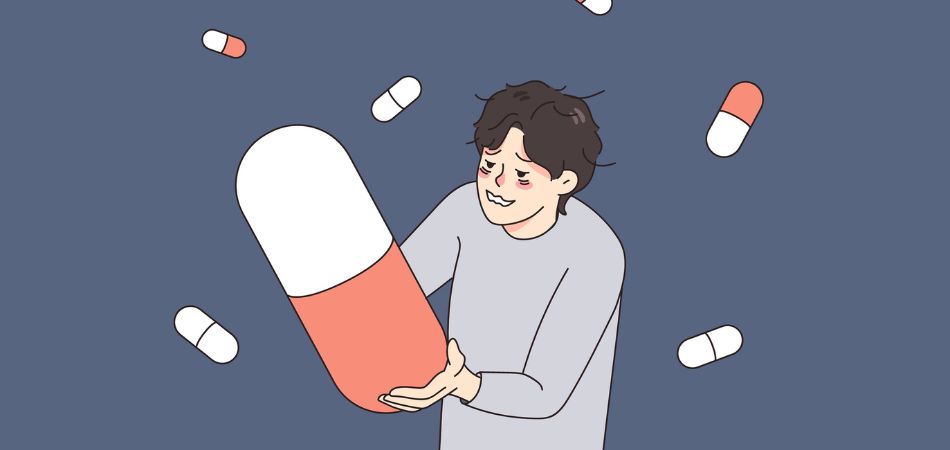
Signs and symptoms of ketamine addiction
Ketamine addiction can affect people in different ways. Signs often develop slowly and may be overlooked or explained away for some time.
Psychological signs can include increased cravings, using ketamine to cope with emotions, irritability when unable to use, and feeling disconnected or low between doses. Behavioural changes may involve secrecy around use, withdrawing from friends or activities, financial strain, or prioritising ketamine over responsibilities.
Physical symptoms can include ongoing fatigue, changes in appetite, digestive issues, and urinary problems. These physical effects are particularly important, as ketamine misuse is strongly linked to bladder and urinary tract damage.
The effects of ketamine misuse on the body
Short-term effects
In the short term, ketamine misuse can cause confusion, impaired coordination, nausea, dizziness, and reduced awareness of surroundings. These effects increase the risk of accidents and injuries, particularly when ketamine is used in unfamiliar environments or combined with abusing alcohol or other drugs.
High doses can lead to intense dissociation, panic, or distressing psychological experiences that may be difficult to control.
Long-term effects
Long-term ketamine misuse can have serious consequences. Cognitive changes, memory problems, emotional instability, and persistent low mood are commonly reported. Over time, ketamine dependence may deepen, making it harder to reduce or stop use without support.
The most widely recognised long-term risk is damage to the bladder and urinary system, which has become a defining feature of ketamine addiction in recent years.
Ketamine bladder damage and urinary problems
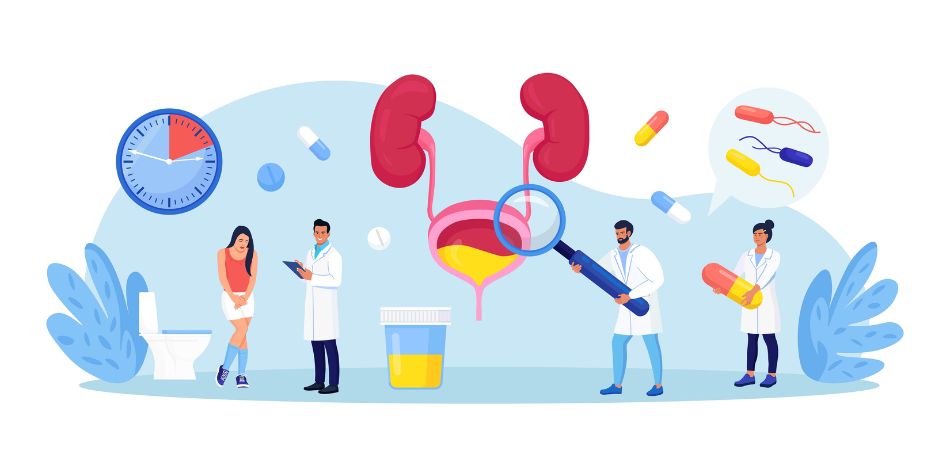
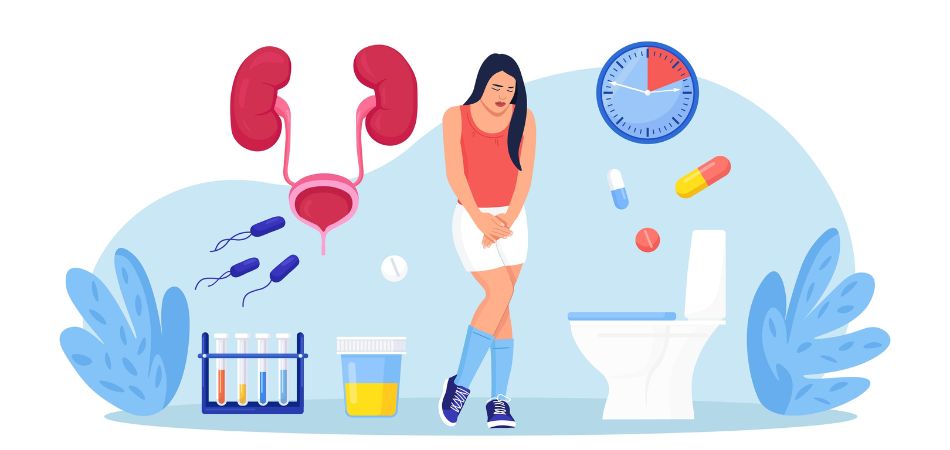
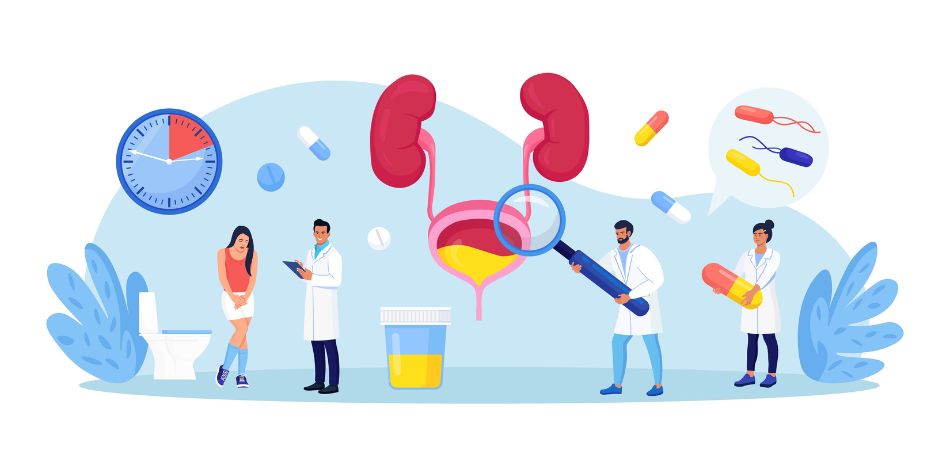
Ketamine bladder damage, sometimes referred to as ketamine cystitis, is one of the most serious risks associated with chronic ketamine misuse. Ketamine and its by-products irritate the lining of the bladder, leading to inflammation, pain, and reduced bladder capacity.
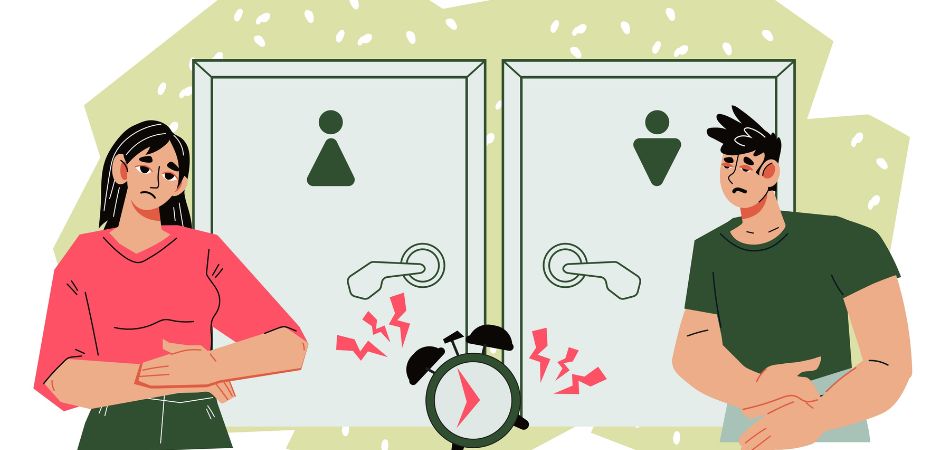
Symptoms can include frequent urination, urgency, pain when passing urine, blood in the urine, and ongoing discomfort in the lower abdomen. In some cases, people feel as though they need to urinate constantly, even when the bladder is empty.
Importantly, bladder damage can occur even in people who do not use ketamine daily. The severity of symptoms often increases with continued use, and damage can become long-lasting or permanent if ketamine misuse continues. Reducing or stopping ketamine use is often essential to prevent further harm.
Mental health and ketamine addiction
There is a complex relationship between ketamine addiction and mental health. Some people begin using ketamine to cope with anxiety, depression, or emotional distress. While ketamine may provide temporary relief, repeated misuse often worsens mental health over time.
Ketamine misuse has been linked to increased anxiety, mood instability, dissociation, and emotional numbness. These effects can make everyday life feel more difficult and may reinforce the cycle of use, as ketamine becomes a way to escape uncomfortable feelings.
For individuals with existing mental health conditions, ketamine addiction can complicate symptoms and make recovery more challenging without appropriate support.
Ketamine withdrawal and stopping use
Ketamine withdrawal is usually psychological rather than physically dangerous, but it can still be distressing. Common withdrawal symptoms include cravings, low mood, anxiety, irritability, sleep disturbances, and a strong urge to return to use.
Because ketamine withdrawal does not always involve severe physical symptoms, people may underestimate how difficult stopping can be. Support can play an important role in managing cravings and emotional discomfort during this period.
Stopping ketamine misuse early can significantly reduce the risk of long-term damage, particularly to the bladder and mental health.
How ketamine addiction affects families and relationships
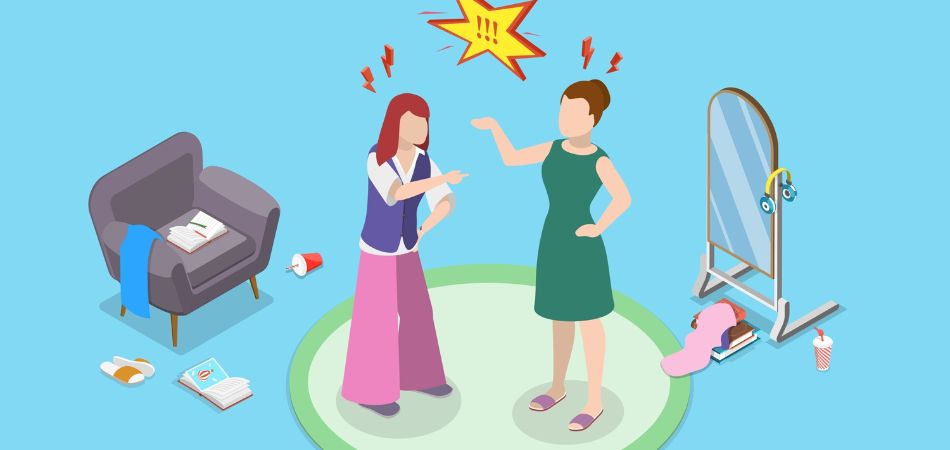
Ketamine addiction does not only affect the person using the drug. Families, partners, and close friends are often deeply impacted by changes in behaviour, mood, and reliability.
Loved ones may feel confused, worried, or shut out, particularly if ketamine use is hidden. Financial strain, broken trust, and emotional distance are common challenges. Families may also struggle with knowing when to intervene or how to offer support without causing conflict.
Support for families is an important part of addressing ketamine addiction, as loved ones often need guidance and reassurance in their own right.
When ketamine use becomes a concern
Ketamine use may become a concern when it begins to affect health, relationships, work, or emotional wellbeing. Escalating use, ongoing bladder symptoms, increasing secrecy, or repeated unsuccessful attempts to stop can all indicate a growing problem.
Trusting your instincts is important. Seeking advice early can prevent further harm and provide clarity, even if you are unsure whether ketamine addiction has developed.
Worried about yours or a loved ones for Ketamine Addiction?
Treatment options for ketamine addiction
Support for ketamine addiction often focuses on psychological recovery rather than intensive medical ketamine detox. Treatment may involve therapy to address patterns of use, underlying emotional factors, and coping strategies.
Because ketamine addiction affects people differently, support is most effective when it is tailored to individual needs. Early guidance can help determine what level of support may be appropriate without rushing into decisions.
Recovery from ketamine addiction
Recovery from ketamine addiction is possible. Many people reduce or stop use successfully with the right support and understanding. Early intervention improves outcomes, particularly in preventing long-term bladder damage and mental health complications.
Recovery from addiction is rarely a straight line. Setbacks can occur, but they do not erase progress. With appropriate support, people can rebuild health, relationships, and stability over time.
Speak to EATA about ketamine addiction
If you are concerned about ketamine addiction, EATA offers confidential guidance and support. Whether you are worried about your own ketamine use or about someone close to you, EATA can help you explore ketamine rehab options and understand next steps without judgement or pressure.
Reaching out today does not mean committing to treatment. It provides space to talk openly, ask questions, and gain clarity in a situation that can otherwise feel overwhelming.
Frequently Asked Questions
Discover our ketamine help guides