Last Updated:
March 23rd, 2026
Ketamine and Mental Health | Effects, Risks and Support
Ketamine use has become more common across the UK, particularly in social settings where its risks are often misunderstood or underestimated. While ketamine is sometimes discussed in the media in relation to mental health treatment, recreational and non-medical use carries very different risks. For many people, repeated ketamine use can lead to significant changes in mood, thinking, and emotional stability.
Concerns about ketamine and mental health are increasingly shared by people using the drug themselves, as well as by families and loved ones who notice changes in behaviour or emotional wellbeing. Understanding how ketamine affects mental health over time can help people recognise warning signs early and seek appropriate support.
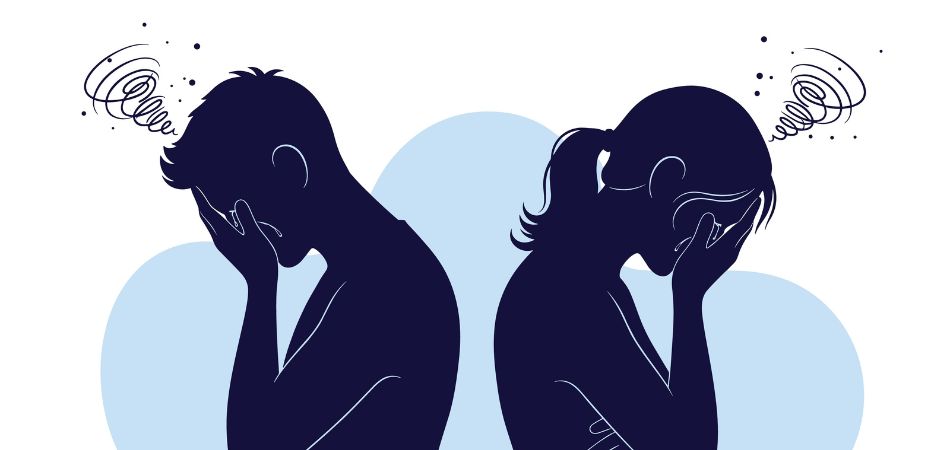
Understanding ketamine and how it affects the brain
Ketamine is a dissociative drug that alters how the brain processes information. It affects key neurotransmitters involved in perception, mood, and awareness, which is why it can produce feelings of detachment from reality, distorted thinking, and emotional numbness.
When ketamine is used repeatedly outside medical supervision, these changes can become more unpredictable. The brain begins to adapt to the presence of the drug, which can disrupt normal emotional regulation and cognitive function. This disruption sits at the heart of many of the mental health problems linked to ketamine misuse.
The mental health effects of ketamine do not always appear immediately. For some people, changes develop gradually and may only become clear once ketamine use has become more frequent or harder to control.
Ketamine and mental health changes
The relationship between ketamine and mental health is complex. Some people initially experience short-lived feelings of calm or emotional escape when using ketamine. Over time, however, repeated use is more likely to contribute to emotional instability, low mood, anxiety, and psychological distress.
Mental health changes linked to ketamine use can range from subtle shifts in mood or concentration to more severe symptoms that interfere with daily life. These effects are influenced by how often ketamine is used, how much is taken, and whether a person already has underlying mental health vulnerabilities.

Short-term mental health effects of ketamine
In the short term, ketamine can cause noticeable changes in perception and emotional state. These effects often occur while intoxicated but can linger after the drug has worn off.
Common short-term mental health effects include dissociation, where a person feels detached from their surroundings or from their own body. Confusion, disorientation, and difficulty focusing are also common. Some people experience anxiety, panic, or paranoia, particularly at higher doses or in unfamiliar environments.
Hallucinations can occur, ranging from mild visual distortions to more intense and frightening experiences. Emotional blunting, where feelings feel muted or distant, is another short-term effect that can be unsettling for some users.
Longer-term mental health effects of ketamine misuse
With ongoing ketamine misuse, mental health effects often become more persistent. Many people report a gradual lowering of mood, with symptoms resembling depression. Feelings of emptiness, loss of motivation, and emotional numbness can develop over time.
Anxiety may also increase, particularly between periods of use. This can include constant worry, irritability, or a sense of unease that feels difficult to explain. Memory and concentration problems are frequently reported, making it harder to focus at work, study, or engage fully in conversations.
Over time, these mental health changes can begin to shape a person’s behaviour and outlook, contributing to withdrawal from social life and a growing reliance on ketamine as a way to cope.
Ketamine psychosis and severe mental health reactions
One of the more serious risks linked to ketamine and mental health is the potential for psychotic symptoms. Ketamine psychosis can involve hallucinations, paranoid thoughts, delusional beliefs, and a loss of contact with reality.
These symptoms may occur during intoxication but can sometimes persist beyond the immediate effects of the drug. The risk appears to increase with frequent or high-dose use, and in people who already have a vulnerability to psychosis or severe mental illness.
Experiencing psychotic symptoms can be frightening for both the person affected and their loved ones. Even if symptoms subside, repeated episodes can increase the risk of longer-term mental health problems.
Ketamine use and existing mental health conditions

Ketamine misuse can have a particularly strong impact on people who already live with mental health conditions such as anxiety disorders, depression, or trauma-related difficulties. While ketamine may feel like a temporary escape from emotional pain, it often worsens symptoms over time.
Repeated use can interfere with emotional processing and resilience, making it harder to manage stress or difficult feelings without the drug. This can create a cycle where ketamine use and mental health problems reinforce one another.
For people with a personal or family history of psychosis or bipolar disorder, ketamine use may carry additional risks and should be treated with particular caution.
Ketamine addiction and mental health decline
Ketamine addiction and mental health decline are closely linked. As psychological dependence develops, ketamine may become a way of coping with low mood, anxiety, or emotional discomfort. Unfortunately, this reliance often deepens mental health difficulties rather than resolving them.
Cravings, preoccupation with using ketamine, and difficulty stopping can all place further strain on emotional wellbeing. When someone tries to cut down or stop, they may experience low mood, irritability, anxiety, and sleep problems, which can make returning to use feel tempting.
Understanding this connection between ketamine addiction and mental health can help explain why stopping is not simply a matter of willpower.
Impact on daily life and relationships
Changes in mental health linked to ketamine use often extend into everyday life. People may withdraw from friends and family, lose interest in activities they once enjoyed, or struggle to keep up with work or education.
Loved ones may notice emotional distance, mood swings, or secrecy around ketamine use. These changes can strain relationships and increase feelings of isolation on both sides.
Mental health difficulties do not exist in isolation. When they affect communication, trust, and routine, they can significantly reduce quality of life.
When mental health concerns become a warning sign
Mental health concerns become a warning sign when changes in mood, thinking, or behaviour are persistent, worsening, or begin to interfere with everyday life. Symptoms such as ongoing low mood, rising anxiety, paranoia, memory difficulties, irritability, or noticeable shifts in behaviour should never be ignored. Even subtle changes that affect motivation, sleep, appetite, or social engagement can indicate that support is needed.
Early intervention can make a significant difference. Speaking to a professional at the first sign of concern can prevent further deterioration and help identify the underlying causes. Seeking advice does not require certainty about the reason for the changes. Often, it is enough to recognise that something feels off and to ask for guidance. Timely support allows for assessment, reassurance, and appropriate treatment or coping strategies, reducing the risk of longer-term complications.
Mental health is complex, and what starts as a small change can escalate if left unaddressed. Taking early action is a sign of strength, not weakness, and can provide a clearer path toward stability and wellbeing.
Support options for ketamine-related mental health concerns
Support for ketamine and mental health concerns works best when both issues are addressed together. This often involves understanding patterns of use, emotional triggers, and the impact ketamine has had on mental wellbeing.
Support does not look the same for everyone. For some, early conversations and guidance may be enough to prompt change. For others, more structured support may be needed. What matters most is that mental health concerns are taken seriously and not dismissed as temporary or insignificant.
Speaking to EATA about ketamine and mental health
If you are concerned about how ketamine use is affecting your mental health, or worried about someone close to you, EATA offers confidential, compassionate support.
EATA can help you talk through what you are experiencing, understand possible next steps, and explore support options without pressure or judgement. Reaching out can provide clarity at a time when things may feel confusing or overwhelming.
Frequently Asked Questions
Discover our ketamine help guides