Last Updated:
March 23rd, 2026
Help For Families and Loved Ones of Ketamine Addicts
Watching someone you care about struggle with ketamine abuse can be deeply distressing. Families often describe feeling worried, confused, frustrated, or exhausted, especially when they do not recognise the person they once knew. Loved ones may feel torn between wanting to help and not knowing how, or fearful that saying the wrong thing could make matters worse.
If you are supporting someone affected by ketamine addiction, it is important to know that you are not alone. Many families and loved ones face similar challenges, and support exists for you as well as for the person using ketamine. Understanding what ketamine addiction can look like, how it affects family dynamics, and what helps rather than harms can make this situation feel more manageable.
Understanding ketamine addiction from a family perspective
Ketamine addiction often develops gradually. What may begin as occasional or recreational use can become more frequent over time, particularly if ketamine is being used to cope with stress, emotional discomfort, or mental health difficulties. As dependence grows, changes in behaviour and mood are common.
From a family perspective, these changes can be confusing and painful. It is important to understand that addiction affects the brain and decision-making. Behaviour that feels selfish, dishonest, or reckless is often driven by dependence rather than a lack of care or values.
Families do not cause ketamine addiction. No amount of love, discipline, or support creates addiction, and blaming yourself only adds to the emotional strain. Learning about ketamine addiction can help families respond with clarity rather than guilt.
Signs that ketamine use may be a problem
Ketamine addiction does not look the same in everyone. Some signs are subtle at first and may only become clearer over time. Families and loved ones are often the first to notice when something feels wrong.
Common warning signs include:
- Noticeable changes in mood, anxiety levels, or emotional withdrawal
- Increased secrecy, dishonesty, or defensiveness
- Loss of interest in responsibilities, work, education, or relationships
- Memory problems, difficulty concentrating, or mental health changes alongside ketamine misuse
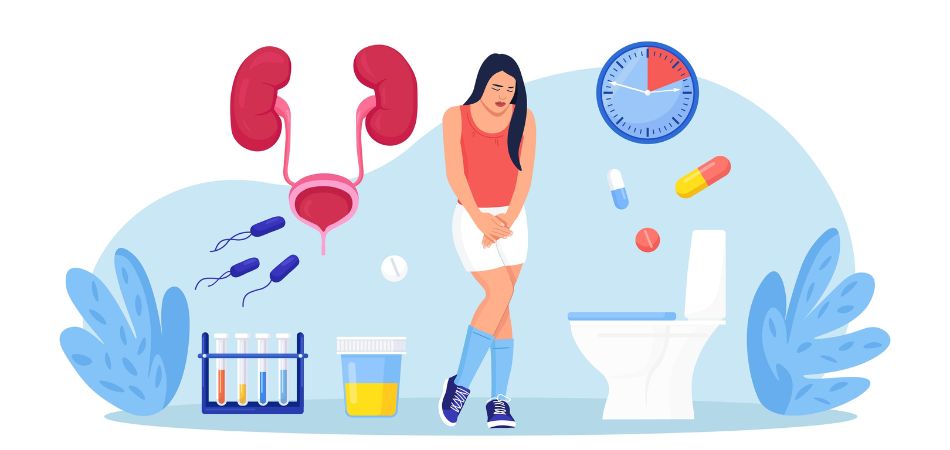
- Physical concerns such as frequent illness or ketamine bladder-related symptoms
- Financial difficulties, missing money, or unexplained spending

Not all of these signs will be present, and their appearance does not always mean addiction. However, patterns of change are worth paying attention to, especially when they persist or worsen.
The emotional impact on families and loved ones
Living alongside ketamine addiction can take a heavy emotional toll. Families often experience a mixture of emotions that shift over time, sometimes even within the same day.
Common feelings include worry about safety, fear of confrontation, guilt about setting limits, anger at broken trust, and sadness over lost connection. Some family members feel ashamed or isolated, unsure who they can talk to about what is happening at home.
These emotional responses are normal. Supporting someone with ketamine addiction is demanding, and it is understandable to feel overwhelmed. Acknowledging your own emotional experience is not selfish. It is a necessary part of coping.
Helping versus enabling ketamine addiction
Families often struggle to understand where support ends and enabling begins. Enabling behaviours usually come from care, fear, or a desire to protect a loved one from harm, but they can unintentionally allow ketamine addiction to continue.
Enabling may include making excuses for behaviour, covering up problems, giving money that may fund drug use, or shielding someone from consequences. While these actions are understandable, they can prevent the person using ketamine from recognising the impact of their behaviour.
Helping, on the other hand, supports recovery rather than addiction. This involves honesty, consistency, and boundaries that encourage responsibility rather than avoidance.
Recognising enabling patterns is not about blame. It is about understanding what genuinely supports change.
Setting healthy boundaries
Boundaries are limits that protect your wellbeing and clarify what behaviour you can and cannot accept. In families affected by ketamine addiction, boundaries help reduce chaos and emotional harm.
Healthy boundaries might involve refusing to tolerate ketamine use in your home, not lending money without clear purpose, or declining to lie on someone’s behalf. Boundaries should be communicated calmly and clearly, without threats or ultimatums.
Setting boundaries can feel uncomfortable, particularly when guilt or fear is present. However, boundaries are not punishment. They are a way of caring for yourself while encouraging accountability. Consistency is important, as mixed messages can increase confusion and conflict.
Talking to a loved one about ketamine use
Conversations about ketamine addiction are rarely easy, but open communication can reduce secrecy and tension. Timing and approach matter.
Choose a moment when emotions are relatively calm and ketamine is not involved. Speak from concern rather than accusation, using language that focuses on what you have noticed and how it affects you. Listening is as important as speaking. Allow your loved one space to respond, even if what they say is difficult to hear.
It is common for people to deny or minimise ketamine use. This does not mean the conversation was a failure. Sometimes it takes time and repeated discussions before someone is ready to consider change.
When to encourage professional support

There may come a point where family support alone is not enough. Professional guidance can help clarify options and reduce risk, particularly when ketamine use is escalating or mental health is deteriorating.
Encouraging support does not mean forcing ketamine rehab treatment. It may begin with suggesting a conversation with a GP, speaking to an addiction professional, or gathering information together. Framing support as a way to understand options, rather than a demand, can reduce resistance.
Families can also seek professional advice independently, even if the person using ketamine is not ready to engage.
Support for families during ketamine addiction recovery
Recovery from addiction affects the whole family. As patterns of behaviour change, families often need support to rebuild trust, adjust expectations, and communicate more effectively.
Family-focused support can help loved ones understand addiction, process emotions, and learn how to support recovery without losing themselves in the process. Counselling or family sessions can provide a neutral space to address unresolved issues and strengthen relationships.
Recovery is rarely linear. Setbacks may occur, and families benefit from ongoing guidance during this period.
Looking after yourself as a family member
Caring for someone with ketamine addiction can consume emotional and physical energy. Looking after yourself is essential, not optional.
This may involve seeking counselling, attending family support groups, speaking to a trusted professional, or using confidential helplines. Maintaining your own routines, friendships, and health helps protect you from burnout.
You are allowed to set limits, ask for help, and prioritise your wellbeing. Supporting someone else does not require sacrificing yourself.
Speaking to EATA for guidance and support
If you are supporting someone affected by ketamine addiction and feel unsure what to do next, EATA offers confidential and compassionate guidance.
EATA can help families and loved ones understand ketamine addiction, explore appropriate support options, and talk through concerns without judgement or pressure. Reaching out does not commit you to any course of action. It is simply a step towards clarity and support.
Frequently Asked Questions
Discover our ketamine help guides