

Last Updated:
March 16th, 2026
Mixing Alcohol and Ketamine | Risks, Effects and Support Options
Mixing alcohol and ketamine is more common than many people realise. It can happen intentionally in social settings, or unintentionally when alcohol is consumed alongside ketamine without fully understanding how the two substances interact. While each substance carries its own risks, combining them significantly increases the chance of serious harm.
Alcohol and ketamine affect the body in different ways, but when taken together their effects compound rather than cancel each other out. This makes the combination unpredictable and, in some cases, life threatening. For people using ketamine recreationally, for those struggling with alcohol use, and for families worried about someone mixing substances, understanding these risks can help prevent harm and guide safer decisions.
Why alcohol and ketamine are often mixed
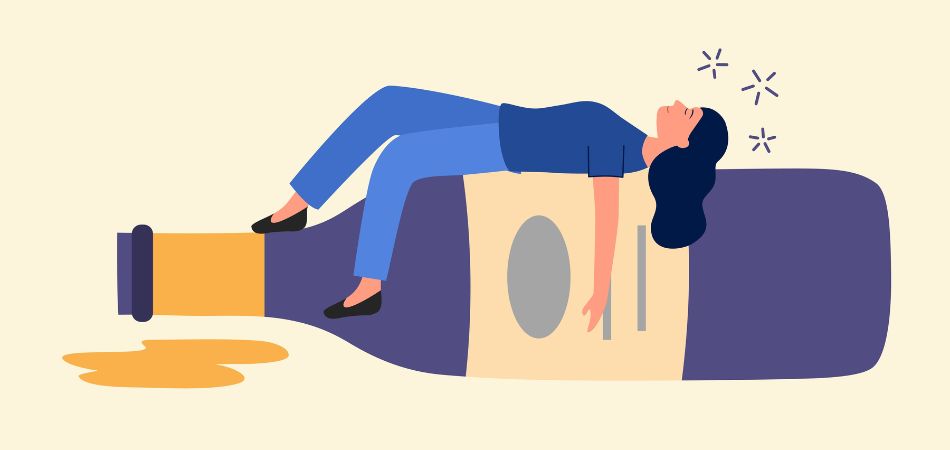
There are several reasons people mix alcohol and ketamine. In many cases, it happens in social or nightlife settings where alcohol is already present and ketamine is introduced later. Some people believe alcohol will soften ketamine’s dissociative effects, while others intentionally combine the two in an attempt to intensify or prolong the experience.
For some, mixing alcohol and ketamine is linked to self-medication. Both substances can temporarily dull emotional discomfort, anxiety, or stress. Over time, this pattern can become habitual, particularly if the person feels relief from difficult feelings when using both together.
A lack of awareness also plays a role. Ketamine is sometimes perceived as less dangerous than other illicit drugs, especially when used in small amounts. Alcohol’s legal and social acceptance can further reduce perceived risk. Unfortunately, these assumptions can lead people to underestimate how dangerous mixing alcohol and ketamine can be.
How ketamine affects the body
Ketamine is a dissociative anaesthetic that alters perception, awareness, and sensory processing. In medical settings it is used under strict supervision, but outside these environments its effects can be unpredictable.
Ketamine misuse can cause feelings of detachment from the body and surroundings, impaired coordination, confusion, and altered consciousness. At higher doses, people may experience profound dissociation, sometimes referred to as a “K-hole,” where movement and communication become extremely difficult. Even at lower doses, ketamine reduces awareness of physical sensations and danger.
These effects mean that someone using ketamine may not recognise when something is going wrong, particularly if another substance is involved.
Over time, repeated ketamine misuse can also begin to affect both physical and mental health. One of the most well-known physical complications is ketamine bladder, a condition that causes inflammation and damage to the urinary tract. People may experience symptoms such as pain when urinating, frequent urges to urinate, blood in the urine, or reduced bladder capacity. In severe cases, the damage can become long lasting and require medical treatment.
Ketamine can also have a significant impact on mental health. Regular use has been linked with anxiety, low mood, memory problems, difficulty concentrating and, in some cases, episodes of paranoia or dissociation that continue even when the drug is not being used. For some people, these changes develop gradually and may worsen as ketamine use continues.
How alcohol affects the body
Alcohol is a central nervous system depressant. It slows brain activity, reduces inhibitions, and affects judgement, coordination, and reaction time. As alcohol intake increases, its depressant effects become more pronounced, leading to drowsiness, confusion, nausea, and impaired breathing.
Alcohol abuse also affects the body’s ability to regulate itself. It reduces awareness of physical limits and increases the likelihood of risky behaviour. When alcohol is consumed alongside other substances, these effects are amplified, often in ways the person does not anticipate.
Over time, regular heavy drinking can also begin to damage the body internally. One of the most serious long-term effects is alcohol related liver damage, as the liver is responsible for breaking down alcohol. Continued drinking can lead to conditions such as fatty liver, alcoholic hepatitis and cirrhosis, where healthy liver tissue becomes permanently scarred. These conditions often develop gradually and may not cause obvious symptoms until the damage has progressed.
Alcohol can also have a significant effect on mental health. Although some people drink to relax or cope with stress, alcohol can disrupt brain chemistry, sleep patterns and emotional regulation. Long-term use is strongly linked with anxiety, depression and mood instability, and mental health symptoms can worsen as drinking increases.
What happens when alcohol and ketamine are combined
When mixing alcohol and ketamine, the depressant effects of alcohol combine with ketamine’s dissociative and sedative properties. Rather than balancing each other out, the substances intensify one another.
This interaction increases sedation and suppresses breathing more than either substance alone. It also significantly reduces awareness, coordination, and the ability to respond to danger. Someone who has mixed alcohol and ketamine may not realise they are in distress, may be unable to ask for help, or may lose consciousness without warning.
Because both substances affect the brain differently, predicting how someone will react is extremely difficult. Even small amounts can lead to serious consequences.
Short-term risks of mixing alcohol and ketamine
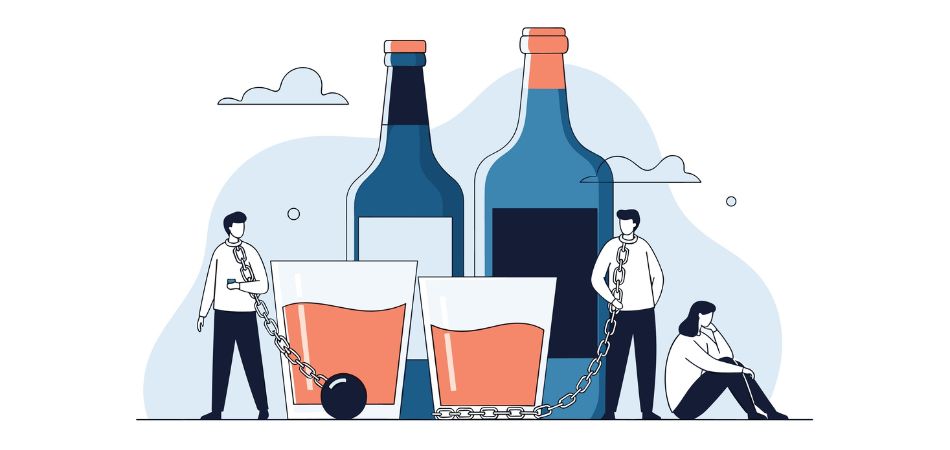
The immediate effects of mixing alcohol and ketamine can develop quickly and escalate without much warning. These short-term risks are often the most dangerous, particularly in social environments where supervision may be limited.
Common short-term risks include:
- Severe confusion and disorientation
- Loss of coordination and balance
- Memory blackouts
- Slowed or irregular breathing
- Nausea and vomiting
- Loss of consciousness
These effects increase the risk of accidents, falls, choking, and overdose. Because awareness is impaired, a person may continue consuming substances even as their condition worsens.
Longer-term risks of mixing alcohol and ketamine
Repeatedly mixing alcohol and ketamine increases the strain placed on both the body and the brain. Over time, this can contribute to worsening mental health, cognitive difficulties, and physical health problems.
Regular mixing is associated with increased anxiety, low mood, and problems with memory and concentration. It can also accelerate the development of tolerance, meaning higher amounts are needed to achieve the same effects. This pattern raises the likelihood of dependence on one or both substances.
Long-term mixing also places additional stress on organs responsible for processing toxins, increasing the risk of cumulative damage. While these effects may not be immediately noticeable, they can progress silently over time.
Overdose risk when mixing alcohol and ketamine
The risk of overdose rises sharply when alcohol and ketamine are combined. Both substances suppress breathing and reduce the body’s ability to respond to low oxygen levels. When taken together, this suppression is much more pronounced.
Overdose risk is increased because mixing alcohol and ketamine can cause someone to lose consciousness before recognising danger. Vomiting while unconscious also carries a high risk of choking. These factors make mixing alcohol and ketamine particularly dangerous compared to using either substance alone.
Signs of a medical emergency
Recognising the signs of a medical emergency is critical when alcohol and ketamine have been mixed. Immediate medical help should be sought if any of the following occur:
- Very slow, shallow, or irregular breathing
- Unresponsiveness or inability to wake
- Seizures
- Severe confusion or collapse
If there is any doubt, emergency services should be contacted. Acting early can be life-saving.
What to do if someone has mixed alcohol and ketamine
If someone has already mixed alcohol and ketamine, staying calm and ensuring they are not left alone is important. Monitoring breathing, responsiveness, and overall condition can help identify worsening symptoms.
If the person becomes very drowsy, confused, or unresponsive, or if breathing appears abnormal, urgent medical assistance should be sought. It is safer to seek help early rather than wait for symptoms to resolve on their own.
Mixing alcohol and ketamine regularly
When mixing alcohol and ketamine becomes a regular pattern, risks increase significantly. Tolerance can develop quickly, leading to higher consumption and greater harm. Over time, this pattern can feel difficult to control.
Regular mixing is often a sign that substance use is no longer purely recreational. It may indicate an attempt to manage emotions, cope with stress, or escape difficult circumstances. Without support, these patterns tend to intensify rather than resolve.
When mixing alcohol and ketamine becomes a wider concern
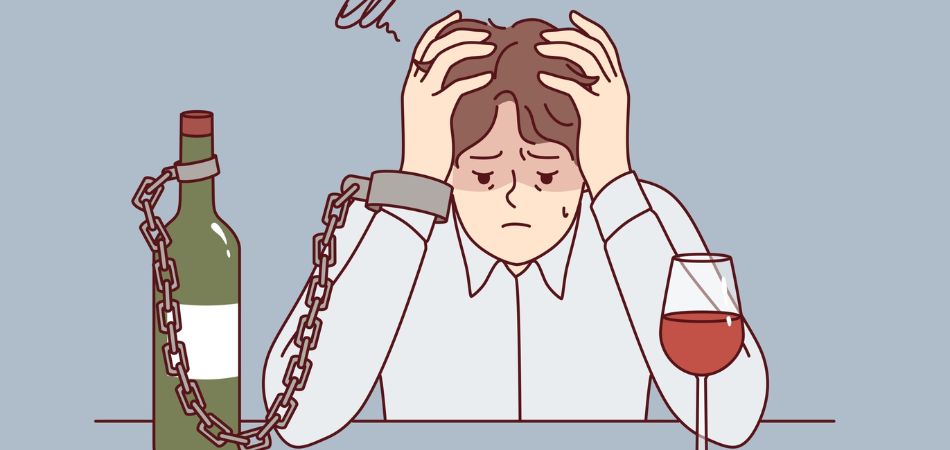
Mixing alcohol and ketamine may be part of a broader issue when use continues despite negative consequences. Warning signs can include cravings, using more than intended, prioritising substances over responsibilities, or feeling unable to stop without distress.
These patterns are health concerns, not personal failings. Early support can reduce harm and make change more achievable.
Support options for alcohol and ketamine use
Dual support for alcohol and ketamine use focuses on safety, stability, and long-term wellbeing. Where physical dependence is present, medically supported detox may be required to manage withdrawal safely. Psychological support can help address the reasons behind substance use and build healthier coping strategies.
Recovery support for addiction does not need to be rushed, but earlier engagement reduces risk and improves outcomes.
Speak to EATA about alcohol and ketamine use
If mixing alcohol and ketamine is affecting you or someone you care about, EATA can offer guidance on next steps. EATA supports individuals and families by helping them understand risk, explore support options, and make informed decisions about care.
Conversations with EATA are confidential and non-judgemental. Reaching out does not mean committing to treatment. It provides an opportunity to talk through concerns and consider safer ways forward.