

Last Updated:
March 16th, 2026
Dual Addiction Treatment for Alcohol and Ketamine
Living with addiction to more than one substance can feel overwhelming. When alcohol and ketamine are both involved, the challenges often multiply rather than simply add up. Individuals may find themselves switching between substances, using one to cope with the effects of the other, or struggling to stop either despite clear harm. Families and loved ones may feel confused about what they are seeing and unsure how best to help.
Dual addiction treatment focuses on addressing alcohol addiction and ketamine addiction together, rather than treating them as separate problems. Understanding why this matters, how the two substances interact, and what recovery can look like can help people take informed next steps at a difficult time.
Understanding dual addiction involving alcohol and ketamine
Dual addiction, sometimes referred to as polysubstance addiction, occurs when someone becomes dependent on more than one substance at the same time. Alcohol and ketamine are commonly used together, particularly in social settings or as a way of managing emotions.
Alcohol is widely available and socially accepted, which can make its role in addiction harder to recognise. Ketamine, while often seen as a recreational drug, has powerful effects on perception and mood. When used together, each substance can reinforce the other. Alcohol may lower inhibitions around ketamine use, while ketamine may be used to escape the emotional consequences of heavy drinking.
Over time, dependence can develop in different ways for each substance, but the result is often a single, intertwined pattern of use that is difficult to break without support.
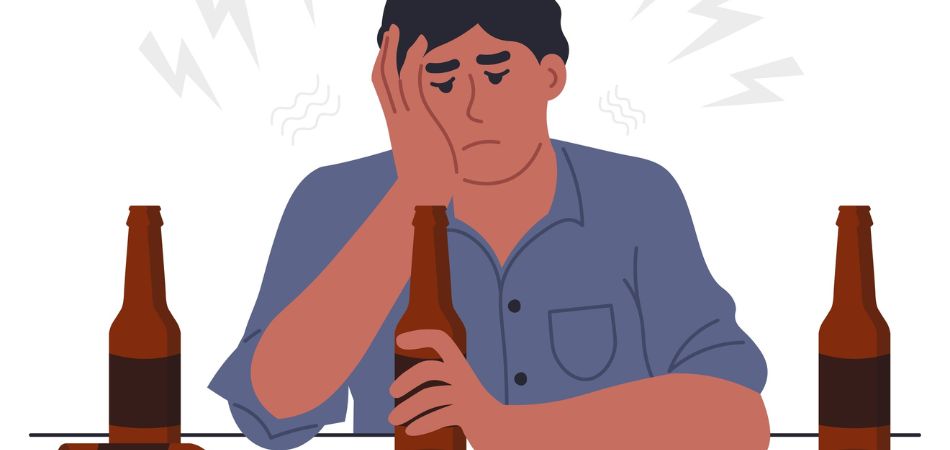
How alcohol and ketamine affect the body and mind together
Alcohol and ketamine affect the brain and body in different but overlapping ways. Alcohol is a depressant that slows the central nervous system, while ketamine is a dissociative that alters perception, awareness, and emotional processing.
When used together, these effects can intensify. Combined use can impair judgement, coordination, and memory far more than either substance alone. People may take greater risks, struggle to recognise danger, or lose awareness of how much they have consumed.
Over time, the strain on physical and mental health increases. Alcohol can damage the liver, heart, and nervous system. Ketamine is linked to bladder problems, cognitive changes, and psychological distress. Together, they place significant stress on the body while also worsening anxiety, low mood, emotional instability, and dissociation.
Signs of a dual alcohol and ketamine addiction
Dual addiction does not always look obvious at first. Some signs are subtle and develop gradually, while others become more noticeable as use increases.
Common indicators include:
- Increasing tolerance to alcohol, ketamine, or both
- Difficulty cutting down or stopping either substance
- Using one substance to manage the effects of the other
- Cravings or preoccupation with drinking or using ketamine
- Anxiety, irritability, low mood, or emotional numbness
- Physical health changes or frequent illness
- Problems at work, in relationships, or with finances
Not everyone will experience all of these signs. Patterns of behaviour over time are often more important than individual incidents.

Why treating both addictions together matters
Attempting to treat alcohol addiction without addressing ketamine use, or vice versa, often leads to relapse. Each substance can act as a trigger for the other. Someone who stops drinking may continue using ketamine to cope with cravings or emotional discomfort, while someone reducing ketamine use may return to alcohol as a substitute.
Dual addiction treatment recognises that alcohol and ketamine are part of the same cycle. Addressing both together reduces the risk of one addiction undermining recovery from the other. It also allows underlying emotional, behavioural, and mental health factors to be explored in a more complete way.
Withdrawal and detox in dual addiction
Withdrawal is an important consideration in dual addiction. Alcohol withdrawal can be physically dangerous and, in some cases, life-threatening if not properly managed. Symptoms may include tremors, agitation, seizures, or severe confusion.
Ketamine withdrawal is usually psychological rather than physical, but it can still be distressing. People may experience strong cravings, anxiety, low mood, sleep disruption, and emotional instability.
When alcohol and ketamine are involved together, detox requires careful planning and professional oversight. Managing both safely reduces risk and provides a more stable starting point for recovery.
How dual addiction treatment works

Dual addiction treatment focuses on the whole person rather than isolated behaviours. The aim is to create stability, understanding, and healthier ways of coping.
Mental health and dual addiction
Alcohol and ketamine addiction frequently overlap with mental health difficulties. Anxiety, depression, trauma, and emotional dysregulation are common. Both substances can temporarily numb distress while ultimately making it worse.
Dual addiction treatment considers mental health alongside substance use. Addressing emotional wellbeing helps reduce reliance on alcohol or ketamine as coping tools and supports longer-term recovery.
Recovery and ongoing support
Recovery from dual addiction is not a single milestone but a sustained process that continues well beyond structured treatment. Completing a programme provides stability and insight, but the real work begins when those lessons are applied to everyday life. Ongoing support helps individuals strengthen new habits, manage triggers, and maintain accountability as they return to work, relationships, and daily responsibilities.
Aftercare may include continued therapy, peer support groups, structured relapse prevention planning, and regular check-ins with professionals. Building a reliable support network is one of the strongest protective factors against relapse. Practical coping strategies, clear routines, and honest communication all contribute to long-term stability. Progress is not always straightforward. Periods of difficulty can occur, but setbacks are part of the learning process and do not erase the gains already made.
Families and loved ones of alcoholics (or families and loved ones of ketamine addicts) also play an important role in recovery, though it is not their responsibility to control it. Supporting someone with alcohol and ketamine addiction often involves encouraging professional help, maintaining consistent boundaries, and avoiding patterns that unintentionally enable harmful behaviour. At the same time, loved ones must protect their own wellbeing.
Viewing addiction as a health condition rather than a moral failing can reduce blame and conflict, creating space for more constructive conversations. Families may benefit from seeking their own guidance or counselling, particularly when communication has broken down or change feels slow. Recovery from addiction is stronger when everyone involved has the right support, clear expectations, and realistic understanding of the process.
Speaking to EATA about dual addiction treatment
If you or someone you care about is affected by alcohol and ketamine addiction, EATA offers confidential, compassionate guidance. Conversations are focused on understanding individual circumstances and exploring appropriate options rather than pushing decisions.
Reaching out today can help bring clarity at a time when things feel complex and uncertain.