

Last Updated:
May 20th, 2026
Alcohol can sometimes feel like a quick fix for depression. A few drinks can take the edge off sadness and make tough evenings that little bit easier to get through. For someone living with chronic depression, that relief is priceless, and it makes perfect sense to keep going back to alcohol in tough times. The catch is that the relief comes at an enormous cost. Alcohol may make tonight better, but addiction means tomorrow and every day where you don’t get help will be far, far worse.
Depression and addiction are never too far away from each other. The most recent national survey found that adults with serious alcohol problems were four times more likely to be on medication for depression than people who drink at low-risk levels. And when alcohol addiction and depression co-exist, it is a potentially life-threatening mix.
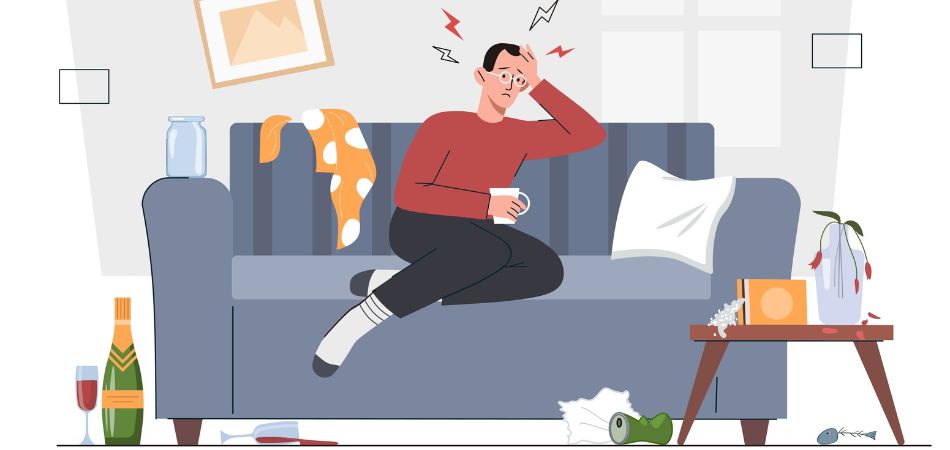
How alcohol lifts mood (at least at first)
The reason alcohol feels like it helps depression is that, chemically, it really does help in the moment. Alcohol boosts the activity of GABA, the brain’s main calming substance, which is why you feel calmer within minutes of the first drink. It also triggers a release of dopamine, the famous “happy hormone,” which creates the warm, carefree feeling many people get after a few drinks. If your brain has been stuck in a dark, joyless state for longer than you can even remember, a little alcohol buzz can feel like the lights coming back on.
But what the brain does next is the issue. The effects of alcohol aren’t something the brain has evolved to expect, so it treats your altered state as something that needs correcting. Your GABA and dopamine mechanisms have increased, so the brain responds by dialling down its own production and sensitivity to them.
By the time the alcohol wears off, you’re left with less GABA and less dopamine than you had before you started drinking. This leaves you feeling low, and for someone who was already depressed, that rebound puts you in a worse place than where you began.
What happens to the brain with long-term drinking
If that cycle only happened once, it wouldn’t matter too much. But the effects of alcohol on mood get worse the more often you drink. Serotonin, basically the chemical that makes you feel okay, drops with regular heavy drinking. Research has shown that serotonin levels drop within 45 minutes of a single drink, and with regular drinking over a long period, they stay low.
Sleep is the other major casualty of long-term heavy drinking. Alcohol sedates you, but it wrecks the deeper stages of sleep, so you’re not getting the deep sleep that you need. If you drink to get to sleep, you may fall asleep faster, but it will be poor-quality sleep, you’ll wake earlier, and you’ll feel worse the next day.
Eventually, you’re running on empty because of serotonin depletion, not sleeping properly, and the only thing that makes you feel anything close to normal is another drink. At that point, alcohol and depression are no longer two separate problems. They’re locked together, and trying to address one without dealing with the other is much more likely to fail.
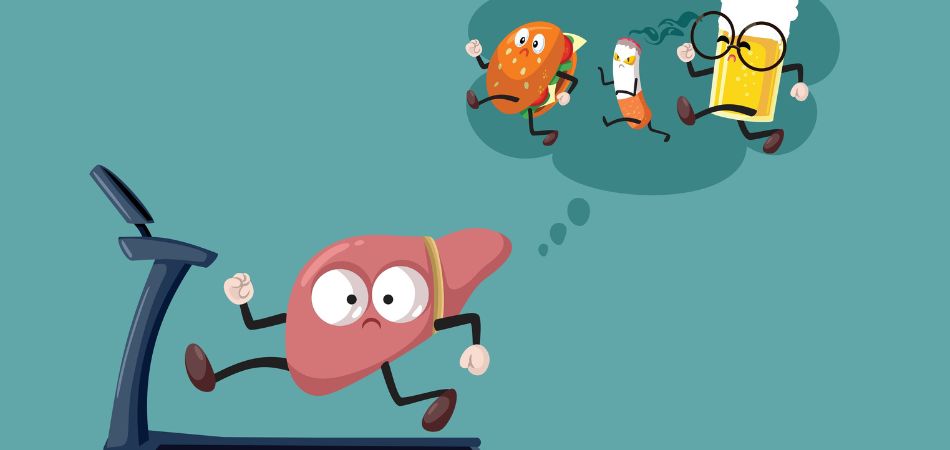
The addiction and depression chicken and egg
One of the hardest things about alcohol and mental health is working out which came first. Did the depression lead to drinking, or did the drinking cause the depression? The answer is important because it can change what treatment looks like, but it’s often genuinely unclear, even to the person living through it.
What doctors have worked out is that alcohol-induced depression, where the low mood is being produced by the drinking itself, will usually clear up within three to four weeks of stopping. The Royal College of Psychiatrists recommends tackling the alcohol first and then assessing whether the depression persists once the drinking has stopped. If it does clear up, the depression was almost certainly being generated by the alcohol. If it doesn’t, there’s probably a separate depression underneath that needs its own treatment.
A lot of people are living with depression that they assume is just part of who they are, when in fact the drinking is producing or worsening it. They may even be taking antidepressants that aren’t working as well as they should, because the alcohol is undermining the medication. Around a quarter of the estimated 600,000 alcohol-dependent adults in England are taking mental health medication, and for many of those people, sorting out the drinking would do more for their mood than adjusting the prescription.
Signs of alcohol-related depression
Depression and drinking overlap, and while that makes them hard to tell apart, there are some recognisable patterns. Here are two important scenarios which can help you understand what is going on:
If your mood consistently dips in the days after drinking and improves during stretches when you don’t drink, that’s a strong signal that the alcohol is behind the depression.
If you’ve noticed that your depression has worsened since your drinking increased, or that you’re drinking more because the depression has worsened, you’re likely caught in the alcohol addiction cycle.
One thing that makes these harder to spot is the delay. Most people associate the effects of drinking with the hangover the next day. If you have a headache and nausea in the morning, but feel fine by lunchtime, you may assume there isn’t a bigger problem. But the real mood drop from alcohol often doesn’t arrive for two or three days, by which point nobody thinks to connect it back to drinking. If your worst days of the week always seem to come a couple of days after your heaviest drinking, it’s one of the clearest signs that alcohol is affecting your mood even when it doesn’t feel like a normal hangover.
Other signs of co-occurring depression and alcohol addiction include:
- Drinking to manage how you feel rather than for social reasons
- Finding that alcohol no longer lifts your mood the way it used to
- Sleeping badly even though you’re exhausted
- Not being interested in much
- Isolating yourself from friends and family
- Feeling low for days after drinking without really knowing why
Why treating both at the same time matters
The Royal College of Psychiatrists’ advice to tackle alcohol first makes sense, because it’s impossible to get an accurate picture of someone’s mental health while they’re still drinking heavily. But that doesn’t mean waiting until someone is completely sober before paying any attention to how they feel. What works best is dealing with both at the same time, because depression is often what drives the drinking, and ignoring it during treatment makes relapse far more likely.
That means alcohol detox with proper medical support and alcohol rehab therapy that gets into why you’re feeling the way you are. Cognitive behavioural therapy is particularly useful here because it helps you see the thoughts that keep pushing you toward drinking when you’re low, and gives you different ways of dealing with them. Without that, someone can get through alcohol detox with a clear head and still end up back where they started, because the thing that was making them drink hasn’t been addressed.
Getting help for depression and alcohol addiction
If you’ve been going back and forth between low mood and heavy drinking and you’re not sure which is driving which, that’s something our team can help you work through. We know it can be scary, but this first step is both the hardest and the most important. Contact us today, and we can take that step together.
(Click here to see works cited)
- “Alcohol Dependence.” Adult Psychiatric Morbidity Survey: Survey of Mental Health and Wellbeing, England 2023/24, NHS England, 2025, https://digital.nhs.uk/data-and-information/publications/statistical/adult-psychiatric-morbidity-survey/survey-of-mental-health-and-wellbeing-england-2023-24/alcohol-dependence.
- Badawy, Abdalla A.-B., et al. “Alcohol-Induced Depression: Involvement of Serotonin.” Alcohol and Alcoholism, vol. 26, no. 5-6, 1991, pp. 505–515, https://doi.org/10.1093/oxfordjournals.alcalc.a045156.
- Kim, Yejin, et al. “Association Between Drinking Behaviors, Sleep Duration, and Depressive Symptoms.” Scientific Reports, vol. 14, 2024, article 5992, https://doi.org/10.1038/s41598-024-56625-x.
- McIntosh, C., and B. Ritson. “Treating Depression Complicated by Substance Misuse.” Advances in Psychiatric Treatment, vol. 7, no. 5, 2001, pp. 357–364, https://doi.org/10.1192/apt.7.5.357.
- UK Health Security Agency. “Alcohol Dependence and Mental Health.” UKHSA Blog, 17 Nov. 2020, https://ukhsa.blog.gov.uk/2020/11/17/alcohol-dependence-and-mental-health/.