

Last Updated:
March 23rd, 2026
Alcohol Addiction | Understanding Alcohol Misuse and Alcohol Dependence
Alcohol addiction is more common than many people realise, and it rarely looks the same from one person to the next. For some, it develops slowly through alcohol misuse. For others, it can progress into alcohol dependence before they recognise there is a problem. Whether you are worried about your own drinking or concerned about someone close to you, understanding alcohol addiction can make it easier to take the next step.
Alcohol misuse, alcohol abuse, and alcohol dependence all sit on a spectrum. They are not fixed labels, and they do not define a person. What matters most is how alcohol is affecting health, wellbeing, and daily life. Alcohol addiction is a treatable condition, and support is available at every stage.
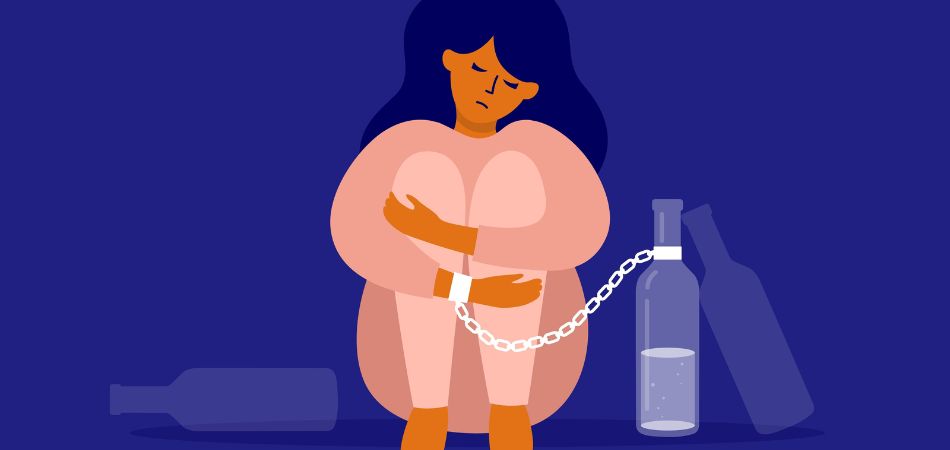
Understanding alcohol addiction
Alcohol addiction describes a pattern of drinking where alcohol begins to take priority over other parts of life. This might include loss of control over how much is consumed, continuing to drink despite negative consequences, or feeling unable to cope without alcohol.
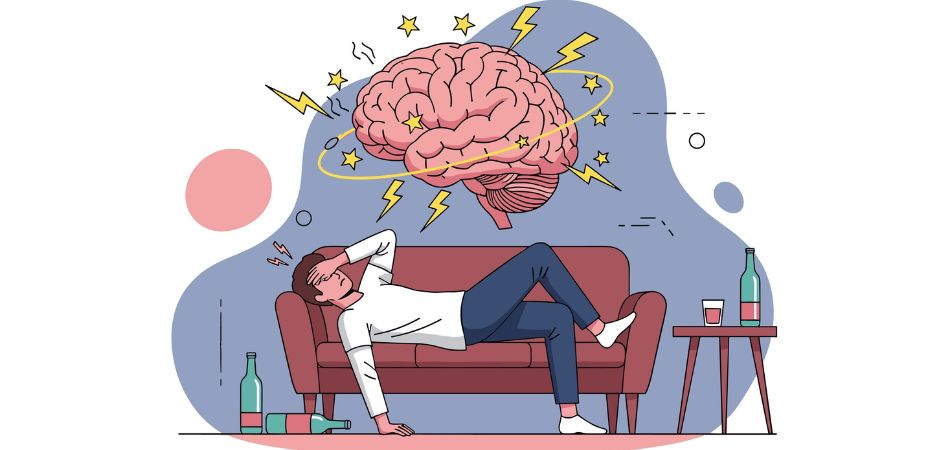
Alcohol misuse often comes first. This can involve drinking more than intended, using alcohol to manage stress or emotions, or noticing that alcohol is becoming harder to cut back on. Over time, repeated misuse can change how the brain responds to alcohol. Tolerance increases, cravings become stronger, and alcohol dependence may develop.
Alcohol addiction is not about weakness or lack of willpower. Repeated exposure to alcohol alters brain chemistry in ways that reinforce drinking behaviour. This helps explain why stopping can feel so difficult, even when someone wants to change.
Alcohol misuse, alcohol abuse, and alcohol dependence explained
These terms are often used interchangeably, which can be confusing. They describe different points on the same continuum.
At this stage, a person may still feel in control, but alcohol is beginning to take up more mental and emotional space. Alcohol misuse is often the earliest warning sign of alcohol addiction.
Alcohol abuse often signals that drinking has moved beyond occasional misuse and is starting to affect multiple areas of life.
Not everyone who misuses alcohol becomes dependent, but alcohol dependence represents a more advanced stage of alcohol addiction.
Signs and symptoms of alcohol addiction
Alcohol addiction develops gradually, and signs are not always obvious at first. Symptoms vary depending on the person, their circumstances, and how long alcohol has been part of their routine.
Common signs of alcohol addiction may include:
- Drinking more often or in larger amounts than intended
- Difficulty cutting down or stopping
- Thinking about alcohol frequently
- Drinking to cope with stress, anxiety, or low mood
- Needing more alcohol to feel the same effect
- Feeling irritable, anxious, or low when not drinking
- Withdrawing from family, friends, or hobbies
- Continuing to drink despite health or relationship problems

Family members often notice changes before the person drinking does. Subtle shifts in mood, behaviour, or priorities can be early indicators that alcohol misuse is becoming alcohol addiction.
Why alcohol addiction develops
Alcohol addiction rarely has a single cause. It usually develops through a combination of biological, psychological, and environmental factors.
This cycle helps explain why alcohol addiction can feel compulsive rather than voluntary.
The impact of alcohol addiction
Alcohol addiction affects more than drinking habits alone. Its impact often spreads into physical health, mental wellbeing, relationships, and daily functioning.

Alcohol addiction is closely linked with anxiety and depression. Mood swings, irritability, and emotional numbness can become more frequent. During periods without alcohol, anxiety and low mood may intensify, particularly when dependence is present.
When alcohol addiction becomes dangerous
As alcohol dependence deepens, risks increase. Warning signs that alcohol addiction may be becoming more dangerous include drinking in secret, needing alcohol to feel normal, experiencing withdrawal symptoms, or feeling unable to get through the day without drinking.
Periods of withdrawal can increase emotional distress and physical risk. At this stage, professional advice is important to ensure safety.
Alcohol dependence and withdrawal
Alcohol dependence develops when the body and brain become accustomed to regular alcohol use. Over time, alcohol is no longer simply a choice but something the body expects in order to function normally. When intake is reduced or stopped suddenly, the nervous system can become overactive, leading to withdrawal symptoms.
These symptoms can begin within hours of the last drink and may include anxiety, shaking, sweating, nausea, headaches and difficulty sleeping. In more severe cases, withdrawal can involve confusion, hallucinations or seizures. Because symptoms can escalate quickly and vary from person to person, withdrawal is not always predictable.
For individuals with established dependence, stopping alcohol without medical support can be unsafe. Professional assessment and, where necessary, supervised detox help manage symptoms, reduce risk and provide a safer, more stable start to recovery.
Can alcohol addiction be treated?
Recovery from alcohol addiction is possible. Many people reduce or stop drinking and go on to rebuild their health and wellbeing. Change often involves addressing both the physical effects of alcohol dependence and the psychological reasons alcohol became so important.
Recovery from addiction looks different for everyone. Some people benefit from structured support, while others make changes gradually with guidance. What matters is finding an approach that reflects individual needs and circumstances.
Treatment options for alcohol addiction
Treatment for alcohol addiction usually focuses on safety, understanding triggers, and building healthier coping strategies.

Supporting someone with alcohol addiction
Loving someone with alcohol addiction can be emotionally exhausting. Families often feel unsure how to help without making things worse. Open communication, clear boundaries, and seeking advice for yourself can all be important steps.
Support is not about controlling another person’s behaviour. It is about protecting your own wellbeing while encouraging safer choices where possible.
Speak to EATA about alcohol addiction support
If alcohol addiction, alcohol misuse, or alcohol dependence is affecting you or someone close to you, you can speak to EATA in confidence. EATA helps individuals and families explore appropriate support options, including medically supported detox and psychological treatment when needed.
Reach out to EATA for a confidential call today. A conversation does not commit you to treatment. It simply offers clarity, reassurance, and information about what support may be available.
Frequently Asked Questions
Discover our alcohol help guides
The digestive system does far more than just proce… More
We all know alcohol abuse can damage the liver but far fewer… More

When most people hear the word alcoholism, they picture someone whose life has spiraled out of control, th… More