

Last Updated:
March 23rd, 2026
Alcohol and Mental Health | Understanding the Link and Finding Support
Alcohol and mental health are closely connected, yet the relationship is often misunderstood. Many people drink to relax, unwind, or cope with stress, low mood, or anxiety. In the short term, alcohol can seem to offer relief. Over time, however, alcohol and mental health can influence each other in ways that make both harder to manage.
Understanding this connection can make it easier to recognise when support is needed and what to do next.
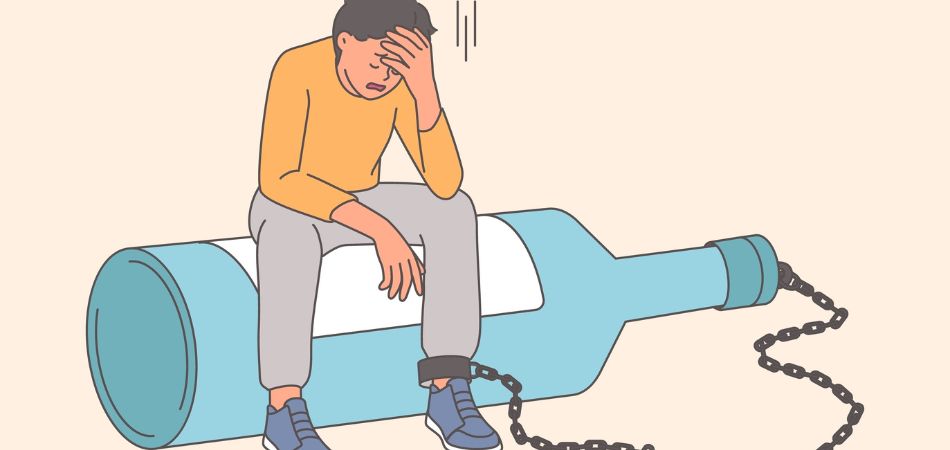
Understanding the link between alcohol and mental health
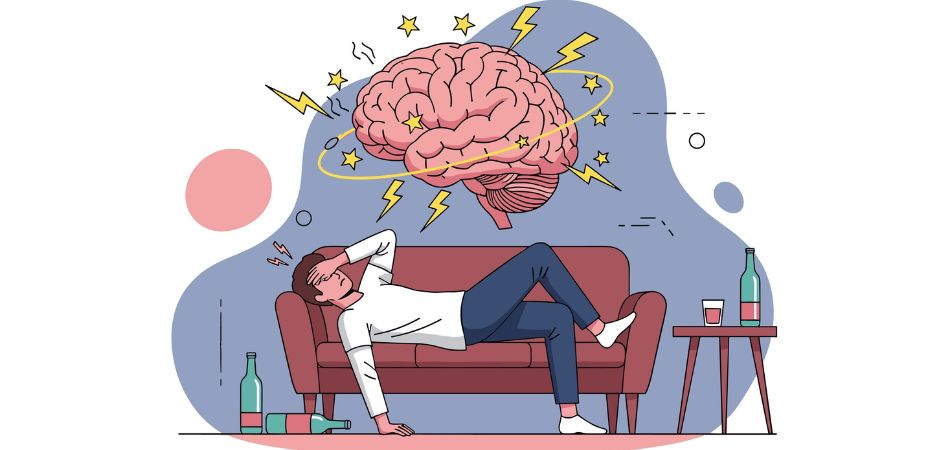
Alcohol and mental health affect each other in both directions. Drinking can contribute to mental health difficulties, and mental health difficulties can increase the likelihood of drinking. This two way relationship often creates a cycle that becomes difficult to break without support.
Alcoholism causing mental health issues
Alcohol is a depressant, meaning it slows down activity in the brain and nervous system. While this can create feelings of calm or confidence at first, it also disrupts the balance of brain chemicals involved in mood, stress, and sleep. As alcohol leaves the body, these chemical changes can trigger low mood, irritability, or anxiety.
Mental health struggles causing alcoholism
At the same time, people experiencing emotional distress may turn to alcohol to cope. When alcohol and mental health challenges exist together, each can reinforce the other. Recognising this pattern is an important step towards protecting wellbeing.
Why people use alcohol to cope
Many people use alcohol as a way of coping with difficult feelings. Stress at work, relationship problems, trauma, loneliness, or ongoing anxiety can make alcohol feel like an easy way to switch off or feel better, at least temporarily.
Alcohol and mental health often become linked in these situations because alcohol can dull uncomfortable emotions in the moment. Unfortunately, this relief does not last. As tolerance develops, more alcohol is often needed to achieve the same effect. Over time, this can increase emotional instability rather than reduce it.
Using alcohol to cope can also delay addressing the underlying cause of distress. Problems such as anxiety or depression may remain untreated, while alcohol use increases, creating further emotional and practical difficulties.

How alcohol affects mental health
Alcohol and mental health are connected through several short term and long term effects. These changes can vary depending on how much and how often someone drinks, but even moderate drinking can influence mood and emotional balance.
In the short term, alcohol can:
- Lower inhibitions, leading to impulsive decisions or emotional reactions
- Disrupt sleep, making it harder to rest and recover
- Increase anxiety once its effects wear off
- Affect concentration and emotional regulation
Over time, alcohol and mental health can become more closely intertwined. Regular drinking can:
- Worsen symptoms of anxiety and depression
- Increase emotional reactivity and irritability
- Reduce resilience to stress
- Contribute to feelings of hopelessness or low motivation
- Make it harder to manage existing mental health conditions
These effects can build gradually, which means people may not immediately connect changes in their mental health to their drinking.
Alcohol and its relationship with different mental health conditions
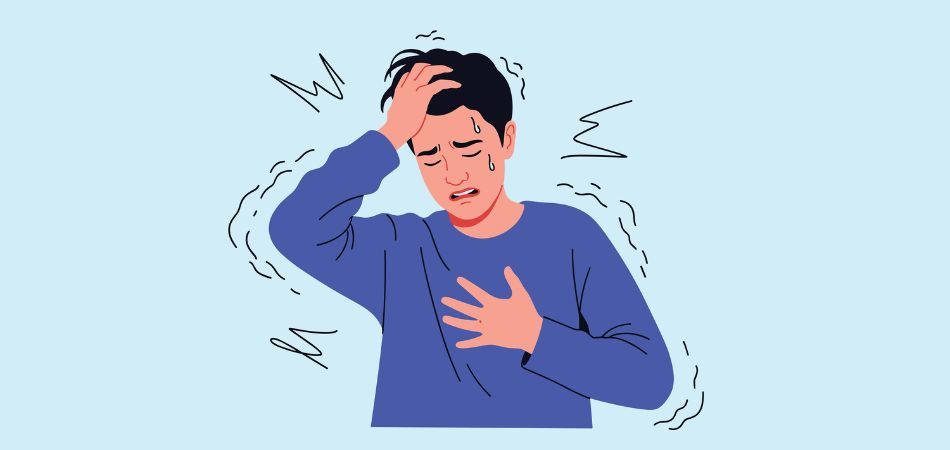
As alcohol leaves the body, the nervous system can become more alert than before. This can lead to increased anxiety, restlessness, or panic, sometimes referred to as next day anxiety. Poor sleep after drinking can further intensify anxious feelings.
Over time, relying on alcohol to manage anxiety can make symptoms more frequent and harder to control. The body begins to associate calmness with drinking, while anxiety increases when alcohol is absent. This pattern often strengthens the cycle between alcohol and mental health difficulties.
For some people, depression develops alongside increased drinking. For others, existing depression worsens over time due to alcohol use. Drinking can also reduce motivation, interfere with daily routines, and strain relationships, all of which can deepen depressive symptoms.
Some people notice that their mood improves after reducing or stopping alcohol. This can indicate that alcohol was playing a significant role in their low mood. For others, depression may persist and require additional mental health support. In both cases, addressing alcohol use can be an important part of improving mental health.
Alcohol, sleep, and emotional wellbeing
Sleep plays a vital role in mental health. Alcohol may help people fall asleep faster, but it disrupts the quality of sleep later in the night. This can lead to frequent waking, vivid dreams, and early morning anxiety.
Poor sleep affects concentration, emotional regulation, and resilience to stress. When alcohol and mental health issues combine with sleep disruption, people often feel more irritable, low, or overwhelmed during the day. Over time, this can increase reliance on alcohol to cope with exhaustion or low mood.
Improving sleep is often one of the first benefits people notice when they reduce alcohol intake, which can have a positive impact on mental health overall.
When alcoholism becomes a mental health risk
Alcohol and mental health risks increase as drinking becomes more regular or harder to control. Warning signs that alcohol may be affecting mental wellbeing include:
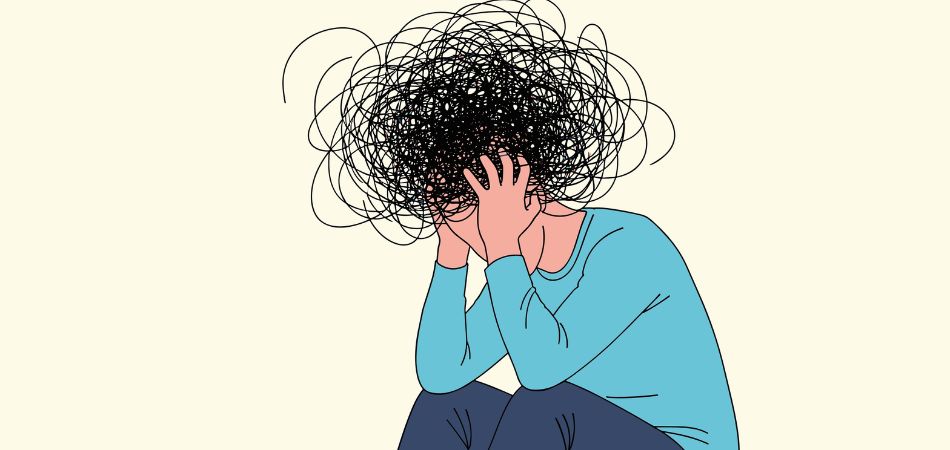
- Drinking to manage stress, anxiety, or low mood
- Feeling more anxious or depressed after drinking
- Changes in sleep or appetite linked to alcohol use
- Withdrawing from relationships or activities
- Feeling unable to relax or cope without alcohol
In some cases, alcohol use can increase the risk of self harm or suicidal thoughts, particularly when combined with depression or severe anxiety. If these thoughts are present, urgent support is essential.
Alcohol dependence and mental health
Alcohol and mental health challenges often become more complex when dependence develops. Dependence means the body and mind have adapted to alcohol, making it difficult to stop without experiencing physical or emotional symptoms.
People with alcohol dependence may experience:
- Heightened anxiety or low mood when not drinking
- Strong urges to drink to feel normal
- Increased emotional instability
- Feelings of shame or loss of control
Mental health difficulties and dependence often reinforce each other. Addressing both together is usually more effective than focusing on one alone.
Reducing alcohol to support mental health
For many people, reducing alcohol can lead to improvements in mood, sleep, and emotional stability. Small changes can make a meaningful difference, particularly when alcohol and mental health are closely linked.
Helpful steps may include:
- Taking regular alcohol free days
- Avoiding drinking during periods of high stress
- Finding alternative ways to relax, such as exercise or creative activities
- Talking openly with someone trusted about how drinking affects mental health
If dependence or significant mental health symptoms are present, professional guidance is important before making changes. Stopping suddenly can be unsafe for some people.
Getting help for alcohol and mental health
When alcohol use and mental health begin to feel overwhelming, early action matters. Too often people wait until things fall apart. In reality, the earlier support is accessed, the more options are available and the better the outcomes tend to be. Speaking to a GP, therapist, alcohol addiction specialist or mental health professional can help clarify what is driving the difficulties and what level of intervention is appropriate. Sometimes brief support is enough. In other cases, a more structured plan is needed.
Alcohol and mental health frequently interact in a cycle. Low mood, anxiety or trauma may lead someone to drink as a way of coping. Alcohol then worsens sleep, emotional regulation and brain chemistry, intensifying the original symptoms. Effective treatment addresses both sides of this equation rather than focusing on one in isolation.
Many people benefit from integrated approaches that treat alcohol use and mental health together.
These may include:
Family members of an alcoholic often require support as well. Living alongside alcohol misuse and mental health difficulties can be confusing and exhausting. Education about how these issues interact helps families respond with compassion rather than frustration. At the same time, clear boundaries are essential. Support does not mean rescuing or enabling. Healthy boundaries protect everyone involved and create a more stable foundation for recovery from addiction.
Help is available, and effective treatment is grounded in evidence, structure and accountability. With the right support in place, it is entirely possible to regain stability, rebuild confidence and move forward with clarity.
Speak to EATA about support options
If alcohol and mental health are affecting you or someone you care about, you can speak to EATA in confidence. EATA connects individuals and families with appropriate treatment options through UKAT’s nationwide network of centres.
If you are unsure what level of help is needed, a conversation can provide clarity and reassurance. Reaching out does not mean committing to treatment. It is simply a way to understand the options available.
Frequently Asked Questions
Discover our alcohol help guides
The digestive system does far more than just proce… More
We all know alcohol abuse can damage the liver but far fewer… More
When most people hear the word alcoholism, they picture someone whose life has spiraled out of control, th… More