

Last Updated:
March 23rd, 2026
Why is gut health and the digestive system so important?
The digestive system does far more than just process the food you eat. Its primary role is to break down food into nutrients, such as carbohydrates, fats, proteins, vitamins and minerals, that the body can absorb and use for energy, growth, repair and daily functioning.
Without this breakdown and absorption process, our cells would not get the essential fuel they need to survive and thrive.
Strong digestive health also supports a return of usable nutrients to the bloodstream, which fuels every organ in the body and helps maintain metabolic balance.
Another critical function of the digestive tract is hosting the gut microbiome, which are a community of beneficial bacteria that assist with digestion and play a vital role in immune regulation. Many immune cells reside in the gut, meaning a healthy digestive system contributes to the body’s ability to defend against infections and maintain immune homeostasis.
Beyond immunity and nutrition, research increasingly shows connections between digestive wellbeing and overall health outcomes, including mental health links and long-term disease prevention.
Alcohol’s short-term effects on the digestive system
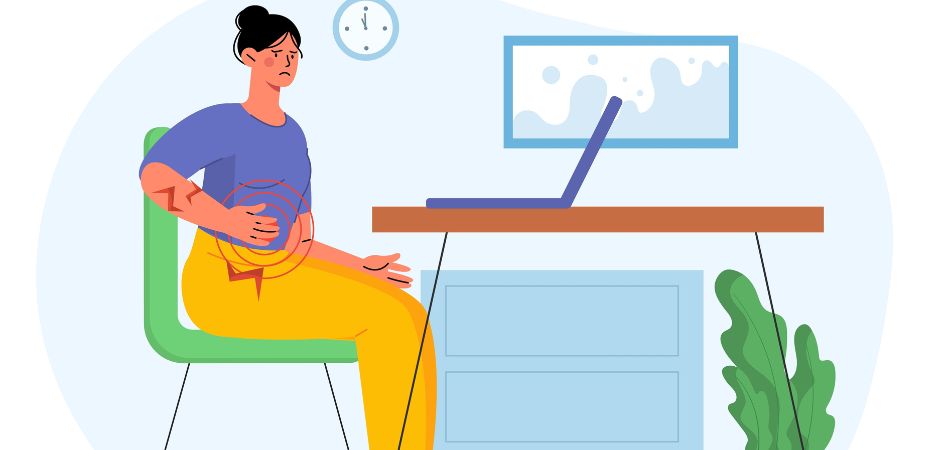
When we take into consideration how important the digestive system and our gut health is for healthy functioning, it’s no wonder why alcohol abuse is linked to so many issues in this region. Below, we explore some of the short term effects that alcohol can have on your digestive system:
Stomach irritation
Alcohol irritates the stomach lining directly, meaning that even a single heavy drinking session can inflame the protective layer that shields the stomach from acid. This can make digestion very uncomfortable, leading to nausea and bloating in the upper abdomen.
Alcohol also increases stomach acid production and when the stomach lining is already inflamed, this extra acid can cause a burning sensation. This is why drinking can leave your stomach feeling sore for a few days afterwards.
Acid reflux
Alcohol also affects the valve that keeps stomach acid from travelling back up into the oesophagus. When this valve relaxes due to the effects of alcohol, acid can rise and irritate the food pipe, which can lead to heartburn after drinking. While the discomfort usually passes, repeated exposure can cause damage to the system.
Diarrhoea
If you’ve ever noticed that a heavy night of drinking can mimic the effects of food poisoning, much of this comes down to what alcohol does to your gut. Alcohol speeds up the digestive process and reduces how much water the gut absorbs. When food moves too quickly through the intestines, stools can become much more urgent.
This is why diarrhoea is a common short-term effect of heavy drinking, as you are essentially placing your digestive system into overdrive.
Alcohol’s long-term effects on the digestive system
While some short-term effects can be treated with over-the-counter medication and a few days of TLC, long-term effects are a different matter altogether. This is where more serious issues can begin to emerge and continued drinking can worsen existing problems or lead to new, more serious ones.
This is a serious digestive condition and requires medical attention.
If pancreatitis becomes chronic, it can lead to difficulty digesting fats, ongoing abdominal pain, weight loss and problems with blood sugar control.
Alcohol-related liver disease leads to poor fat digestion and reduced nutrient absorption, which is why long-term drinking is closely linked with malnutrition.
Cancers of the oesophagus, stomach, liver, pancreas and bowel are all more common in people who drink heavily over long periods.
How can I protect my gut and digestive health?
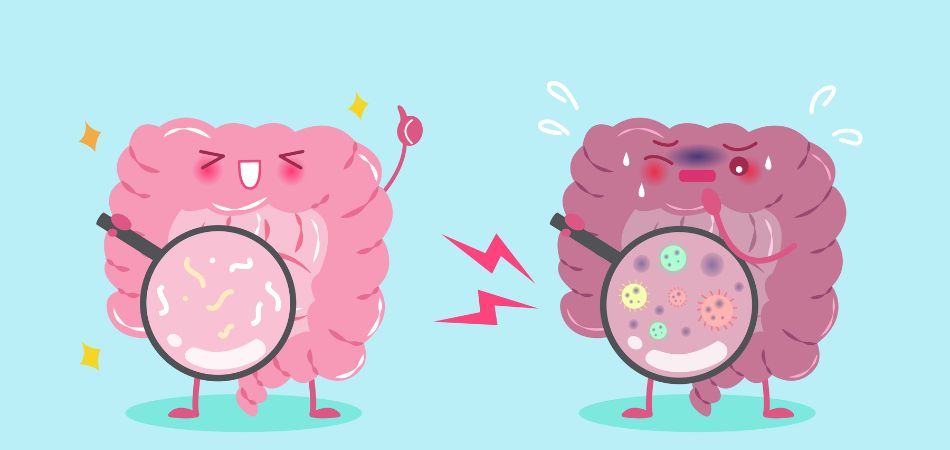
If you’ve overindulged in alcohol recently, there’s a good chance you’re feeling some of the short-term effects it can have on your gut and digestive health. Or perhaps alcohol is a more regular part of your routine and while you wouldn’t say it’s causing major problems, you’re aware that it probably isn’t doing your gut many favours either.
The good news is that there are practical, realistic ways to protect your gut health, even if alcohol hasn’t been completely removed from the picture. Some simple adjustments can give your digestive system the support it needs to recover and function properly.
With that in mind, here are some evidence-backed ways to protect your gut health if alcohol is part of your life.
Fermented foods act as a gentle way of reintroducing helpful bacteria and encouraging a healthier gut environment. Yoghurt, kefir, sauerkraut, kimchi and fermented vegetables can all play a role.
If part of drinking is about routine or enjoyment, polyphenol-rich foods allow you to keep that sense of reward without the same digestive cost. Berries, olive oil, cocoa, herbs, spices, legumes, nuts and green tea all support gut health in this way.
It’s important to understand that some of the damage done can be repaired. Studies show that reducing alcohol intake or taking a sustained break allows the gut barrier to begin repairing itself and inflammation markers to fall.
I’m struggling to reduce alcohol – What can I do?
If reducing or stopping alcohol feels harder than expected, it’s important to take that seriously. Alcohol can create a powerful dependency that makes change difficult without support. We offer a free, confidential helpline where you can talk through your situation and we can explain your next steps, including alcohol detox and alcohol rehab. Contact us today.
(Click here to see works cited)
- Cleveland Clinic. (2024, October 25). Digestive System. Cleveland Clinic; Cleveland Clinic. https://my.clevelandclinic.org/health/body/7041-digestive-system
- National Institute of Diabetes and Digestive and Kidney Diseases. (2017, December). Your Digestive System & How It Works. National Institute of Diabetes and Digestive and Kidney Diseases. https://www.niddk.nih.gov/health-information/digestive-diseases/digestive-system-how-it-works
- Cleveland Clinic. (2023, August 18). Gut Microbiome. Cleveland Clinic. https://my.clevelandclinic.org/health/body/25201-gut-microbiome
- Department of Health & Human Services. (2023, March 23). Gut health. Www.betterhealth.vic.gov.au. https://www.betterhealth.vic.gov.au/health/healthyliving/gut-health
- Samokhvalov, A. V., Rehm, J., & Roerecke, M. (2015). Alcohol Consumption as a Risk Factor for Acute and Chronic Pancreatitis: A Systematic Review and a Series of Meta-analyses. EBioMedicine, 2(12), 1996–2002. https://doi.org/10.1016/j.ebiom.2015.11.023
- CDC. (2024, May 8). Alcohol and Cancer. Cancer. https://www.cdc.gov/cancer/risk-factors/alcohol.html
- Krawczyk, M., Maciejewska, D., Ryterska, K., Czerwińka-Rogowska, M., Jamioł-Milc, D., Skonieczna-Żydecka, K., Milkiewicz, P., Raszeja-Wyszomirska, J., & Stachowska, E. (2018). Gut Permeability Might be Improved by Dietary Fiber in Individuals with Nonalcoholic Fatty Liver Disease (NAFLD) Undergoing Weight Reduction. Nutrients, 10(11), 1793. https://doi.org/10.3390/nu10111793
- Wastyk, H. (2021). Gut-microbiota-targeted diets modulate human immune status. Cell, 184(16). https://doi.org/10.1016/j.cell.2021.06.019
- Del Bo’, C., Bernardi, S., Cherubini, A., Porrini, M., Gargari, G., Hidalgo-Liberona, N., González-Domínguez, R., Zamora-Ros, R., Peron, G., Marino, M., Gigliotti, L., Winterbone, M. S., Kirkup, B., Kroon, P. A. andres-Lacueva, C., Guglielmetti, S., & Riso, P. (2020). A polyphenol-rich dietary pattern improves intestinal permeability, evaluated as serum zonulin levels, in older subjects: The MaPLE randomised controlled trial. Clinical Nutrition, 40(5). https://doi.org/10.1016/j.clnu.2020.12.014
- Leclercq, S., Matamoros, S., Cani, P. D., Neyrinck, A. M., Jamar, F., Stärkel, P., Windey, K., Tremaroli, V., Bäckhed, F., Verbeke, K., de Timary, P., & Delzenne, N. M. (2014). Intestinal permeability, gut-bacterial dysbiosis and behavioral markers of alcohol-dependence severity. Proceedings of the National Academy of Sciences, 111(42), E4485–E4493. https://doi.org/10.1073/pnas.1415174111