

Last Updated:
March 23rd, 2026
When most people hear the word alcoholism, they picture someone whose life has spiraled out of control, the stereotypical “old drunk at the pub” or someone who’s lost jobs, family, and self-respect to booze. But anyone working in health, psychology, or public policy knows that alcohol problems don’t always look like that. In fact, some of the riskiest patterns of drinking are the ones that don’t trigger dramatic consequences until it’s too late.
This is where the colloquial term functional alcoholism comes in. A label thousands use to describe people who drink heavily, but still seem to keep a job, a family, and a social life. Let’s unpack what this term actually means, how it fits within medical science, and why the “normal image of an addict” may be one of the most dangerous myths in addiction psychology.
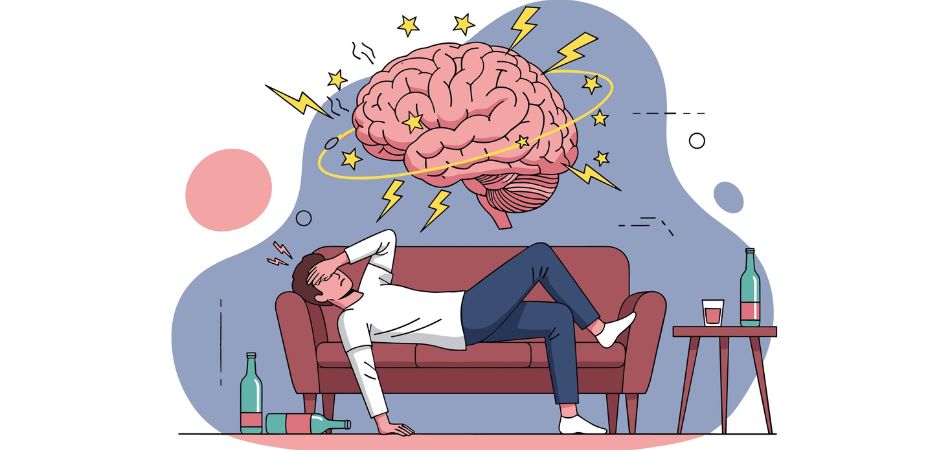
What People Mean by “Functional Alcoholism”
In everyday conversation, a functional alcoholic refers to someone who:
- Drinks heavily or frequently,
- Maintains work, family, and social roles,
- Looks like they’ve “got it together”,
- And hasn’t (yet) crashed and burned in obvious, outward ways.
In other words, it’s the person who knocks back drinks every evening, never misses a meeting, and doesn’t have obvious legal or financial trouble, yet lives with a deepening reliance on alcohol.
The phrase is widely used in media and self-description, but as you’ll see, it isn’t a clinical diagnosis.
Alcohol Use Disorder (AUD): The Clinical Reality
In medical and scientific contexts, the relevant diagnosis isn’t functional alcoholism, it’s Alcohol Use Disorder (AUD). According to the American Psychiatric Association’s Diagnostic and Statistical Manual of Mental Disorders (DSM-5) and echoed by major health bodies like the U.S. National Institute on Alcohol Abuse and Alcoholism (NIAAA), AUD is defined by specific behavioural criteria.
A person has AUD if they show at least two of a set of symptoms over 12 months, including:
- Drinking more or longer than intended,
- Persistent desire or unsuccessful efforts to cut down,
- Strong craving or urge to drink,
- Continued use despite social or interpersonal problems,
- Increasing tolerance to alcohol,
- Withdrawal symptoms when not drinking.
This framework doesn’t hinge on whether someone has lost their job or hit rock bottom; it’s about the pattern and impact of drinking, especially loss of control and ongoing harm.
So a person can meet the criteria for AUD even while working, raising children, or succeeding in life, because the key is internal and behavioural disruption, not just outward chaos.
Why “Functional Alcoholism” Is Not a Clinical Term
Medical professionals rarely use “functional alcoholic” because:
- It isn’t a diagnostic category. Formal diagnosis relies on the DSM-5’s criteria for AUD, which range from mild to severe.
- It can minimise real dysfunction. Someone may hide their struggles well externally, but heavy drinking still reshapes the brain, motivation, emotional regulation, and risk behaviours.
- It reinforces dangerous stigma. People assume “functioning” equals “not a problem,” which can delay help-seeking.
Mental health scholars and addiction specialists tend to discourage the term because it blurs critical clinical understanding and encourages denial.
The Hidden Harm: How Functioning Masks Risk
Here’s the blunt reality: showing up is not the same as being well. Alcohol doesn’t need to knock someone off their feet to do lasting damage. In fact, the ability to “function” often gives it the perfect hiding place.
Over time, this means drinking becomes less of a choice and more of a reflex. External success, career progress, social stability, and daily routines don’t protect the brain from these changes. A person can look disciplined and capable on the outside while their neurological ability to regulate alcohol use is quietly eroding.
Many people in this middle ground still:
- Meet work expectations
- Maintain relationships
- Fulfill daily responsibilities
But functioning at this level often comes at a cost; poorer sleep, rising anxiety, low mood, impaired concentration, and creeping physical health issues. Functionality may delay consequences, but it does not prevent harm. It simply makes the damage easier to ignore.
- Friends, family, or colleagues don’t raise concerns
- There’s no obvious “rock bottom” moment
- Drinking is framed as earned relief, stress management, or a harmless routine
Over time, these justifications harden into identity: “This is just how I unwind” or “I’m fine compared to others.” Unfortunately, alcohol rarely announces when the line has been crossed. For many, awareness only arrives after a significant rupture: declining health, emotional burnout, relationship breakdown, or a legal or professional incident.
By then, the cost of “functioning” has often been far higher than it ever appeared.
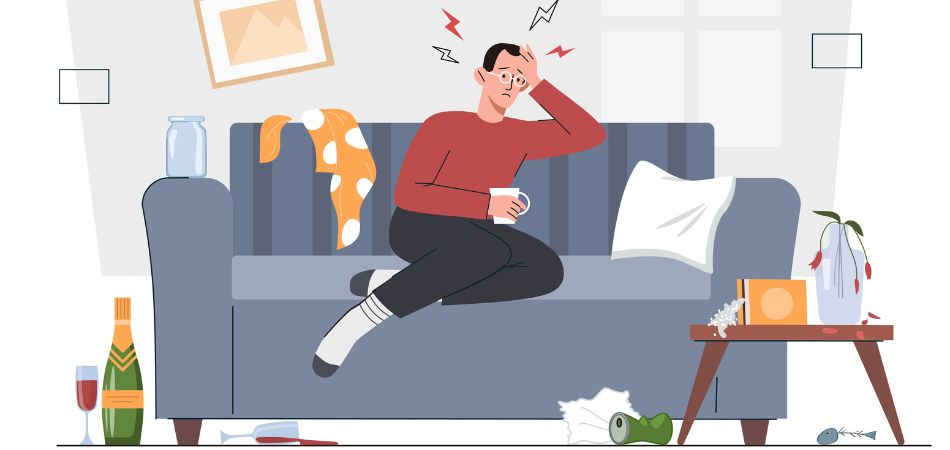
Consequences Aren’t Always Immediate
One of the most dangerous myths surrounding so-called “functional” drinking is the belief that harm only counts if it’s immediate and visible. In reality, alcohol damage often unfolds quietly over months or years while daily responsibilities remain intact. Functionality may delay recognition, but it offers no biological protection.
Long-term excessive alcohol use is associated with:
- Chronic diseases – including alcohol related liver disease, cardiovascular problems, and immune system suppression
- Cognitive decline – structural changes in the brain affecting memory, decision-making, and emotional regulation
- Mental health symptoms caused by alcohol – anxiety, depression, irritability, and emotional blunting
- Relationship strain – unspoken resentment, emotional distance, and hidden conflicts
Even periods of heavy drinking that don’t immediately disrupt work or family roles can produce lasting damage over time. The absence of a visible crisis is not evidence of safety; it is simply a delay in consequences.
- Having a drink every evening to de-stress
- Maintaining a successful career
- Avoiding legal trouble
- Concealing drinking habits from others
- Showing no obvious behavioural breakdown
- Increasing tolerance to alcohol
- Drinking as a coping mechanism for stress or mood
- Craving or preoccupation with alcohol
- Defensiveness when drinking is questioned
- Hidden withdrawal symptoms when not drinking (restlessness, irritability, poor sleep)
Bottom line: Functionality doesn’t equal safety. These patterns are not signs of a healthy relationship with alcohol; they are signs that the body and mind are quietly under strain.
Why This Myth Persists
The notion of a “functional alcoholic” continues to circulate widely, and not without reason. Several social and psychological factors help it endure:
- Alcohol use is socially normalised
Drinking is embedded in countless cultural rituals, after-work drinks, celebrations, and weekend socialising. When alcohol is such a common part of everyday life, heavy or regular drinking can be perceived as normal rather than risky. - Fear of stigma and judgement
Admitting to struggling with alcohol can feel threatening. Labels like Alcohol Use Disorder carry social stigma, and many worry about being judged, losing credibility, or facing professional consequences. Claiming to be “functional” can feel like a safer alternative. - Outward success masks inner struggle
A steady job, tidy home, or active social life can create the illusion of control. Friends, family, and even the person drinking may overlook hidden dysfunction because everything looks “fine” on the surface. - Problems are assumed to matter only when life visibly falls apart
Many believe that alcohol-related issues only count if there’s a dramatic crisis: job loss, legal trouble, or health collapse. This misconception allows risky drinking patterns to continue unnoticed, even while cognitive, emotional, and physical damage quietly accumulates.
The myth persists because it comforts both society and the individual, providing a convenient way to rationalise behaviour while avoiding the reality of hidden harm.

Closing the Gap
The takeaway isn’t about shaming anyone who drinks; it’s about cutting through dangerous self-deceptions. Drinking that meets the criteria for Alcohol Use Disorder (AUD) is still a real, diagnosable condition, even if someone is holding down a job or maintaining relationships. Recognising this early matters: it’s how we identify risks, intervene effectively, and prevent long-term harm.
Language matters. Using terms grounded in clinical research, like AUD and risky drinking behaviours, removes the mystique and denial surrounding alcohol use and allows honest reflection. Functionality is not freedom. “Functional alcoholism” is not a special immunity; it’s a disguise that hides real, accumulating damage.
The sooner we accept that functioning does not equal healthy, the sooner we can spot early warning signs, seek help like alcohol detox and alcohol rehab, and support lasting recovery from addiction. If you or someone you know is concerned about their drinking, don’t wait for a crisis; reach out to us today and see how we can help you overcome alcohol abuse.