

Last Updated:
March 23rd, 2026
For many people considering alcohol rehab, quitting alcohol sounds like a clear benefit, and ultimately, it is. Cutting back or quitting can improve health, sleep, mood, liver and heart function, and overall well‑being. But there’s also a hard truth: the body sometimes fights quitting with a vengeance when alcohol has been a daily companion for a long time. That fight, known as alcohol withdrawal, can range from uncomfortable to life‑threatening.
So let’s unpack what alcohol withdrawal is, how dangerous it can be, and why medical planning matters if heavy or long‑term drinking has been your pattern.
What Is Alcohol Withdrawal?
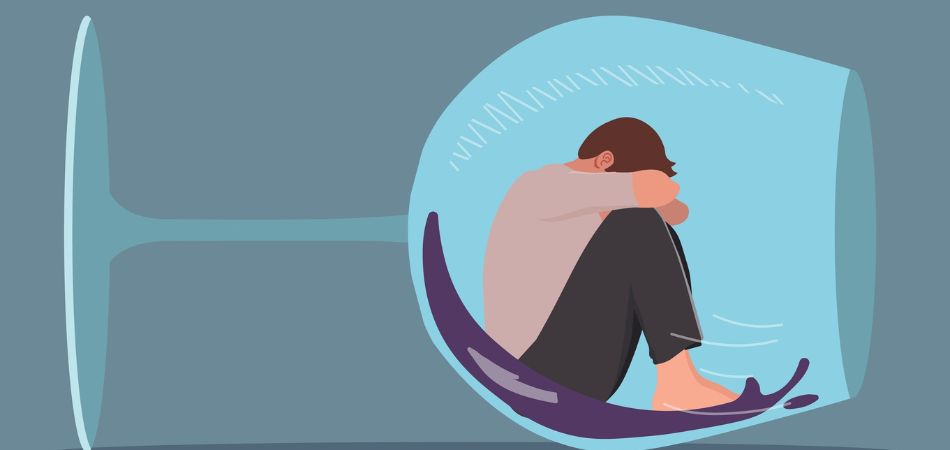
When you drink heavily over an extended period, your brain chemistry adapts to the constant presence of alcohol, a central nervous system depressant. To compensate, the brain boosts excitatory systems and dials down inhibitory ones. When alcohol is suddenly removed, that balanced adaptation collapses and the nervous system becomes hyper‑reactive. Symptoms begin as the brain tries to regain equilibrium.
Withdrawal Symptoms Typically Appear Within:
- 6 to 24 hours after the last drink– mild symptoms may start here
- 12 to 48 hours – risk period for seizures
- 48 to 72+ hours – risk window for delirium tremens (DTs), the severe form of withdrawal.
Symptoms vary by severity, and so does the danger they pose.
Common (Usually Non-Life-Threatening) Symptoms
For people with mild to moderate alcohol dependence, withdrawal is rarely subtle. It may not be immediately life-threatening, but it can be deeply uncomfortable and physically taxing.
Common symptoms include:
- Tremor (the “shakes”) often most noticeable in the hands, caused by overactive nerve signalling after alcohol is removed
- Sweating and headaches, as the body struggles to regulate temperature and blood flow
- Anxiety and agitation, sometimes disproportionate to the situation, driven by a nervous system stuck in fight-or-flight
- Insomnia and disturbed sleep patterns, including vivid dreams or frequent waking
- Nausea, vomiting, and loss of appetite, which can worsen dehydration and electrolyte imbalance
- Increased heart rate and body temperature, placing added strain on the cardiovascular system
- Mood swings and irritability, ranging from low mood to sudden anger or restlessness
These symptoms are signs of a nervous system on high alert, attempting to recalibrate without alcohol’s depressant effects. While they are not usually lethal on their own, they are more than “just uncomfortable.” Left unmanaged, they can escalate or act as early warning signs of more dangerous withdrawal complications that require medical attention.
Withdrawal doesn’t have to be dramatic to be serious, and ignoring early symptoms is how people get caught out.
The Serious and Potentially Fatal Risks
Here’s where alcohol withdrawal stops being merely “uncomfortable” and starts being dangerous.
1. Seizures
Seizures are one of the most serious complications of alcohol withdrawal. They typically occur 12–48 hours after your last drink and can be generalised convulsions.
- Risk: Seizures occur in approximately 10–15% of people experiencing AWS.
- Why they matter: A seizure sudden and uncontrolled can lead to injury, aspiration (breathing fluids into the lungs), cardiac stress, or in rare cases, sudden death.
- Medical context: People with a history of seizures, heavy drinking over many years, or concurrent health issues are at higher risk.
While many seizures can be controlled with appropriate medical management (often using benzodiazepines or alternative medications under supervision), a seizure outside a controlled setting is not something to gamble with.
2. Delirium Tremens (DTs): The Big Danger
Delirium tremens is the most severe form of alcohol withdrawal and it can be fatal without proper care. DTs typically appear 48–72 hours after drinking stops, though onset can sometimes be later.
Symptoms of DTs
DTs involve intense nervous system and brain dysfunction, including:
- Severe confusion and disorientation
- Profound agitation and restlessness
- Hallucinations (visual, auditory, tactile)
- Fever, rapid heart rate, and high blood pressure
- Severe tremors and sweating
- Potential for dehydration and electrolyte imbalances
These aren’t “bad flu” symptoms, this is autonomic instability, where the brain’s control over vital functions like heart rate, breathing, and temperature goes haywire.
How Dangerous Are DTs?
Here’s the hard reality rooted in clinical research and guidelines:
- DTs occur in about 3–5% of people undergoing alcohol withdrawal.
- If left untreated, DTs can have a high mortality rate
- With appropriate medical supervision and treatment, mortality can be reduced significantly
Why Withdrawal Can Become Life‑Threatening
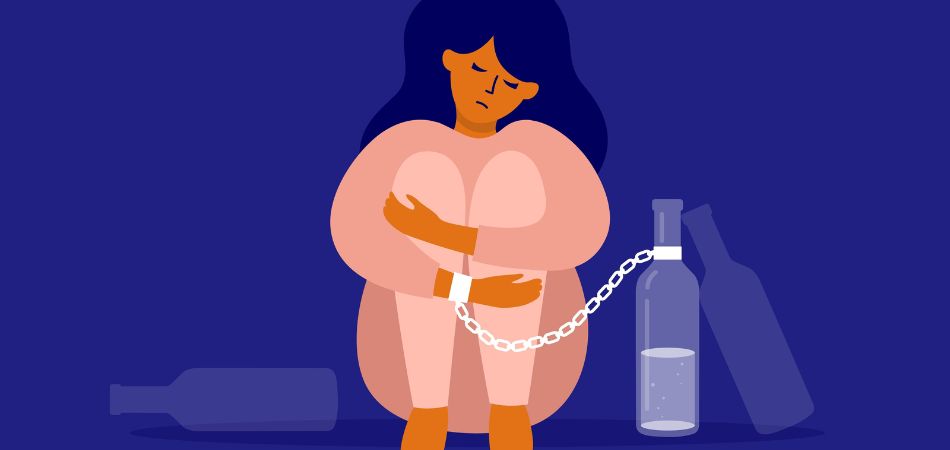
Alcohol withdrawal isn’t just about the nervous system “checking out” for a few days. It involves:
- Autonomic instability: erratic blood pressure, heart rate, and body temperature
- Excessive neural excitability: leading to seizures
- Brain and systemic disorientation: causing delirium and confusion
- Metabolic strain: dehydration, electrolyte imbalances, malnutrition
The body is effectively going through a shock response as it readjusts from years of chemical adaptation. That shock is what turns dehydration and delirium into potentially lethal outcomes.
Risk Factors That Raise the Stakes
Not everyone who is dependent on alcohol will experience seizures or delirium tremens (DTs). But withdrawal is not a level playing field. Certain risk factors significantly increase the likelihood that symptoms will escalate from uncomfortable to dangerous:
- Previous withdrawal complications, particularly past seizures or DTs. The nervous system “remembers” withdrawal, and each subsequent episode can be more severe than the last; a phenomenon known as kindling.
- A long history of heavy or daily alcohol use, which leads to deeper physical dependence and greater disruption to the brain’s chemical balance. The longer and heavier the use, the harder the rebound when alcohol is removed.
- Co-occurring medical conditions, such as heart disease, alcohol related liver damage, or neurological disorders. Withdrawal places extra stress on already compromised systems, increasing the risk of cardiac events, confusion, or collapse.
- Older age, as the body becomes less resilient over time. Ageing brains and organs are slower to adapt, making complications more likely and recovery less predictable.
- Nutritional deficiencies, especially thiamine (vitamin B1) deficiency, which is common in chronic drinkers and strongly linked to serious brain conditions such as Wernicke’s encephalopathy and Korsakoff syndrome. Without correction, confusion, coordination problems, and permanent cognitive damage can follow.
If one or more of these factors apply, withdrawal stops being something to “tough out.” It becomes a medical risk that needs proper assessment and supervision. Alcohol withdrawal doesn’t have to be dramatic to be dangerous, but these factors are exactly what tip it over that line.
The Bottom Line
Here’s the simple, unsugar‑coated advice that professionals echo across evidence‑based guidelines:
- Mild to moderate withdrawal symptoms may be manageable with support and planning, but should still be monitored.
- Seizures, hallucinations, severe agitation, extreme confusion, or rapid heart rate signal an emergency. Get medical care immediately.
- Delirium tremens is a life‑threatening condition that requires monitored inpatient care.
The risk isn’t just theoretical, people have died or suffered serious harm from unmet, uncontrolled withdrawal. T
Safe Detox
Medical alcohol detox guidelines from reputable bodies (like the National Institute for Health and Care Excellence in the UK) are clear:
- Individuals with moderate or severe dependence and/or signs of withdrawal should be assessed and monitored clinically.
- Withdrawal management often involves medication (like benzodiazepines) to reduce risk of seizures and DTs.
- Hospitals and acute care environments are appropriate for those at high risk of complications.
The Reality Check
Stopping drinking can be one of the healthiest decisions a person makes, but if heavy or long‑term drinking has been part of your routine, the withdrawal is not a DIY project. It’s not “cold turkey” like quitting coffee. You’re essentially asking your brain to recalibrate itself, and that recalibration can be violent and unpredictable.
Proper planning, assessment, and medical support aren’t just wise; they’re the difference between a safe transition and a catastrophe.
In the world of addiction medicine, alcohol withdrawal is a medical condition first. Treat it like one. Contact us today to see how we can guide you to overcome alcohol addiction or if you are worried about withdrawal, we are here to help.