

Last Updated:
March 23rd, 2026
As a family member of an alcoholic, watching someone you love drink themselves into trouble is painful. The hardest thing to accept is that you cannot make someone stop if they’re not ready. But that doesn’t mean you can’t make a difference. If your loved one is struggling with alcohol addiction, how you respond and the support you provide in seeking professional treatment can all be critical.
This guide covers what you can do to help someone you care about and how to look after yourself in the process.
Understanding why they can’t “just stop”
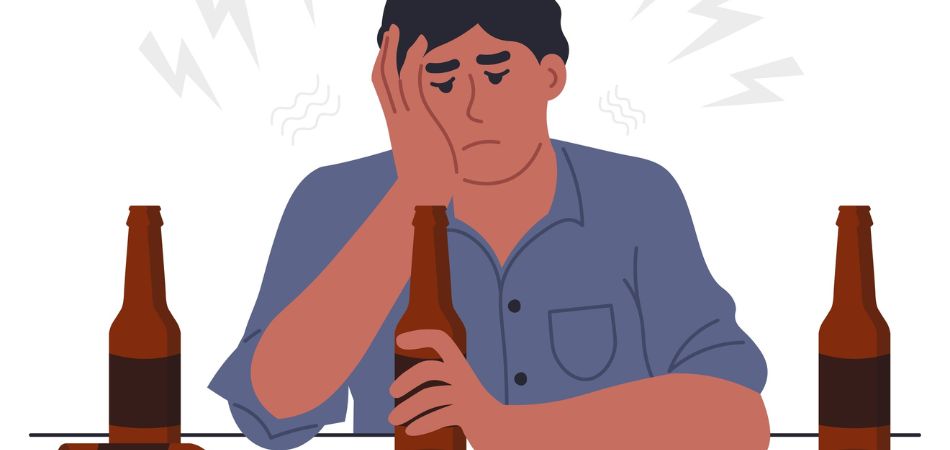
The first thing to understand is that addiction isn’t a choice or a personal failing. When someone has been drinking heavily for a long time, their body adapts to function with alcohol present. Without it, they experience alcohol withdrawal, with symptoms that include tremors, shaking, sweating, anxiety, and sometimes life-endangering seizures.
Addiction denial can also be a major obstacle to quitting. Some people with alcohol addiction deny that they have a problem, some believe they can handle it on their own, and others resist because they are ashamed of the situation. The fear of alcohol withdrawal can also be an issue because of stories about it being painful or dangerous.
In some cases, the idea of life without alcohol can just be impossible to imagine. When drinking has become a way of coping with stress, sadness, boredom, and mental health issues, the prospect of losing that crutch can be too much.
Understanding all of this won’t make it any easier to watch your loved one suffer, but it may reduce some of the frustration and guilt on both sides.
What you can and cannot control
First and foremost, you cannot control whether they drink, when they decide to get help or whether they stay in treatment.
You can, however, control how you respond to the situation. Wanting to help in any way you can is completely understandable, but this can sometimes slip into enabling. We cover this in more detail, but a crucial part of supporting a loved one who is addicted to alcohol is setting boundaries and enforcing them.
You also need to look after yourself because many people exhaust themselves trying to manage someone else’s addiction. If you are in a good place mentally and emotionally, your strength can be a key asset in their recovery from addiction. Al-Anon and SMART Recovery Family & Friends are support groups for people in your situation. You can also contact EATA, and our team can advise you on how to help your loved one while keeping yourself safe.
The difference between supporting and enabling
Enabling means doing things that shield someone from the consequences of their addiction. It often feels like helping, but it only makes things worse. Common examples of enabling include:
- Making excuses for their drinking or covering for their behaviour
- Giving them money for alcohol or paying bills they can’t afford because of their drinking
- Going drinking with them so you can try to protect them or limit how much they drink
- Lying to family or friends about how bad things have got
- Avoiding the subject to keep the peace
Every time you do these things, you remove pressure that might otherwise push your loved one toward change. This makes it easier for them to keep drinking without facing the full cost.
How to have the conversation
It is never easy to talk to someone you love about their drinking, and it is easy for the conversation to derail. Here are some tips which can help you explain your worries and keep everything calm:

How to set and enforce boundaries
Setting boundaries means deciding what you will and won’t do. These protect you and push them to face the consequences of their drinking instead of being rescued from them.
Examples of boundaries include:
- “I won’t lend you money.”
- “I won’t cover for you at work.”
- “I won’t be around you when you’ve been drinking.”
- “I won’t have alcohol in the house.”
The hard part is enforcing the boundaries, and many people trying to help face pushback, guilt trips, and broken promises to change. But if you set a boundary and don’t hold it, you only show them that the boundary doesn’t exist.
What rarely works is trying to control their drinking directly. This can include hiding bottles, going out with them, watering down drinks, or monitoring every purchase. This turns you into a detective and them into someone with something to hide. Boundaries are about what you will accept, not about managing their behaviour.
When to consider professional help or intervention
There comes a point when your support alone isn’t enough, and professional help is needed before alcoholism becomes critically dangerous. Signs that professional support is needed include:
- Physical alcohol dependence and withdrawal symptoms
- Repeated failed attempts to cut down or stop
- Deteriorating physical or mental health as a result of alcohol addiction
- Dangerous behaviour like drink-driving, violence, or blackouts
- Your own mental health suffering as a result
There are various avenues for alcohol addiction treatment and support, including:
How EATA can help
At EATA, we know you can’t force someone into recovery, but you can be a positive force for change. Recovery from alcohol addiction is possible, and the support of loved ones can make an enormous difference. The most important thing is to understand that there is only so much you can do. Some people need to lose a great deal before they’re willing to change. Others respond earlier, particularly when approached by someone they love.
If you need support with your loved one’s alcohol addiction, please contact EATA today. We can discuss treatment options, intervention tips, and how to look after yourself.
(Click here to see works cited)
- Morris, James et al. “(Mis)understanding alcohol use disorder: Making the case for a public health first approach.” Drug and alcohol dependence vol. 253 (2023): 111019. doi:10.1016/j.drugalcdep.2023.111019
- O’Flynn, Norma. “Harmful Drinking and Alcohol Dependence: Advice from Recent NICE Guidelines.” British Journal of General Practice, 2011. PMC3223772
- National Institute on Drug Abuse. “Treatment and Recovery.” National Institute on Drug Abuse, 2020, nida.nih.gov/publications/drugs-brains-behavior-science-addiction/treatment-recovery.