

Last Updated:
March 23rd, 2026
When we drink alcohol, the last thing many of us think about is the damage it may be causing inside the body. Yet the reality is that alcohol can lead to serious harm to vital organs, including damage that goes unnoticed until it reaches a critical point.
This help guide looks specifically at the short-term and long-term effects alcohol dependence can have on the liver, along with what steps you can take if you have started to notice any of the warning signs.
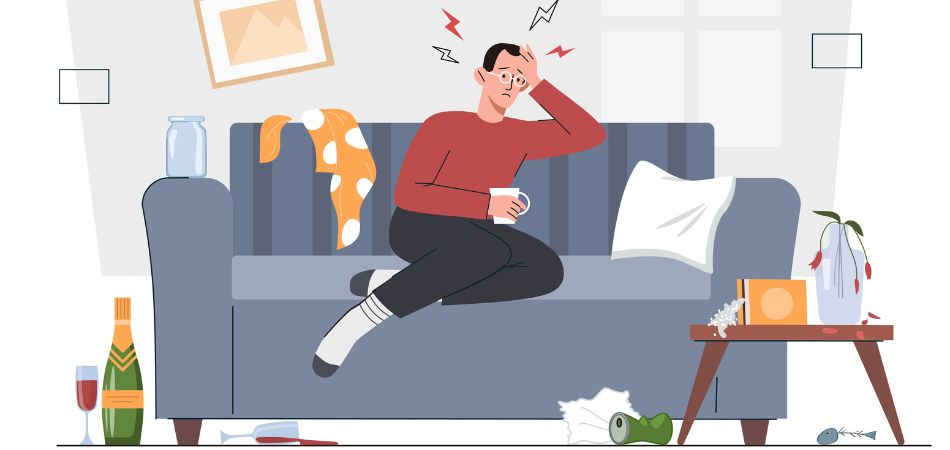
Short-term effects of alcohol on the liver
Below, we take a look at some of the short-term effects alcohol can have on the liver. These are the types of symptoms that many people overlook due to the fact that we can’t see a lot of them.
Fat accumulation (fatty liver)
Even short periods of heavier drinking can cause fat to start building up inside your liver cells. This happens quickly, sometimes after just a single episode of binge drinking, and it’s known as fatty liver.
At this stage, you’re unlikely to feel anything at all, as there’s usually no pain and no obvious symptoms, which is why it’s so easy to miss. But what’s happening behind the scenes is that your liver is struggling to process the amount of alcohol coming in, so fat begins to collect instead of being broken down properly.
The important thing to understand is that this is an early warning sign. Your liver is under strain, but it hasn’t failed you yet. If alcohol intake drops or stops, the liver can usually clear this fat and return to normal. If drinking continues, though, this temporary change can become something more permanent.
Inflammation
Alcohol and its byproducts irritate and injure liver cells, which triggers inflammation as the body tries to repair the damage.
You can think of this as your liver becoming swollen and reactive because it’s under attack. In some people, this may cause a feeling of discomfort or tenderness on the upper right side of the abdomen, although many won’t notice anything at all.
Inflammation is meant to be protective, but repeated episodes begin to work against you. When the liver is constantly inflamed, the healing process itself starts to cause harm, setting the stage for more serious damage later on.
Oxidative stress
Breaking down alcohol creates unstable chemicals known as free radicals. These molecules are highly reactive and can damage or kill liver cells if they aren’t neutralised quickly.
One of the main alcohol-processing pathways produces a large amount of these reactive substances, placing your liver under what’s known as oxidative stress. This depletes the liver’s natural antioxidant defences over time and increases cell death.
In simple terms, alcohol creates a kind of internal wear and tear. If exposure is brief, the liver can cope, but if it happens repeatedly, the damage begins to stack up.
Temporary enzyme elevation
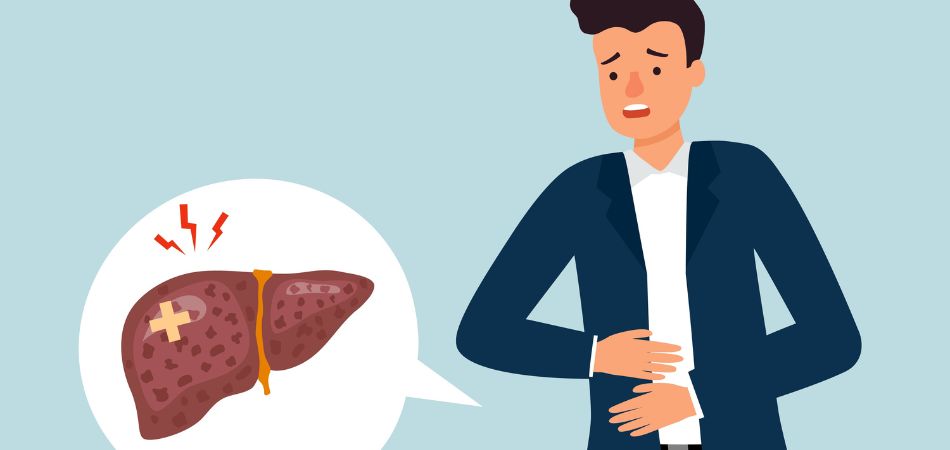
After drinking, it’s common for liver enzymes to rise in the bloodstream. Enzymes like ALT and AST usually stay inside liver cells, but when those cells are irritated or injured, the enzymes leak out and show up on blood tests.
You may never feel this happening, but it’s a clear signal that the liver is under stress. The more alcohol consumed, the more likely these enzyme levels are to rise.
In many cases, these levels settle once drinking is reduced or stopped, but they shouldn’t be ignored. They are one of the body’s ways of flagging that something isn’t quite right.
Long-term effects of alcohol on the liver
We now turn to the long-term effects alcohol can have on the liver, which are far more serious and can become life-threatening. If you notice any of the signs below, even if you are not completely sure what they mean, it is important to contact 999 immediately. These symptoms indicate medical emergencies that require urgent attention and should never be ignored.
At this point, fat remains in the liver even between drinking episodes. Symptoms are still often mild or absent, which can give the impression that everything is fine, but the liver is now operating under constant pressure.
Without changes to alcohol intake, this stage can progress and open the door to more serious conditions
Here, liver cells are repeatedly injured by toxic byproducts of alcohol metabolism, leading to swelling, impaired function, and visible symptoms. These can include pain in the upper right abdomen, fatigue, nausea, appetite loss, and yellowing of the skin or eyes.
Milder cases can improve if drinking stops, but severe alcoholic hepatitis can be life-threatening and requires urgent medical care.
This scarring, known as fibrosis, makes the liver stiffer and less efficient. In the early stages, some of this damage may be reversible, but only if the underlying cause is addressed.
Continued drinking allows scars to accumulate, gradually reducing the liver’s ability to do its job properly.
Blood flow through the liver becomes restricted, alcohol detoxification slows dramatically, and essential functions like protein production and clotting regulation are impaired. This is when complications such as fluid buildup, bleeding issues, confusion, and liver failure begin to appear.
Cirrhosis cannot be reversed. Stopping alcohol can slow or halt further damage, but existing scarring usually remains.
In fact, research shows that heavy drinkers are at double the risk of developing liver cancer compared to those who don’t drink.
I’m struggling to stop drinking alcohol
If you’ve noticed some of these signs in yourself and want to stop drinking, or your doctor has advised you to cut down to protect your liver, it can be unsettling to realise how hard that feels in practice. Many people reach this point assuming they should be able to stop on their own, particularly if drinking still feels manageable in other parts of life.
When cutting back feels uncomfortable or distressing, it may point toward alcohol dependency rather than a lack of motivation. Alcohol can gradually become something your body expects, making change feel physically and emotionally difficult even when the risks are clear.
This is where the right support can help. At EATA, alcohol addiction treatment focuses on understanding your relationship with alcohol and supporting you through change in a way that protects your health. The aim is to help you reduce harm, stabilise your body, and find a safer path forward.
If you know you need to cut down but keep finding it difficult, reaching out for professional guidance could be a meaningful next step.