

Last Updated:
March 23rd, 2026
Ketamine is increasingly known both as a recreational substance and, in some medical settings, a therapeutic drug. While short-term medical use is generally safe under professional supervision, recreational ketamine use carries significant risks, particularly for the urinary system. Alongside ketamine having an impact on your mental health, one of the most common signs of ketamine addiction or ketamine-related bladder damage is frequent urination.
What is Ketamine?
Ketamine is a dissociative anaesthetic originally developed for medical use. It can create feelings of detachment, euphoria, or hallucinations when used recreationally.
- Medical use: Ketamine is sometimes prescribed for anaesthesia, chronic pain, and treatment-resistant depression under strict supervision.
- Recreational use: Powdered or liquid ketamine is sometimes used at clubs, parties, or in private settings. High or frequent doses increase the risk of bladder damage.
While some people perceive ketamine as “safe” compared to other substances due to its medical use, repeated recreational use carries serious health risks, particularly to the urinary system.
How Ketamine affects the bladder
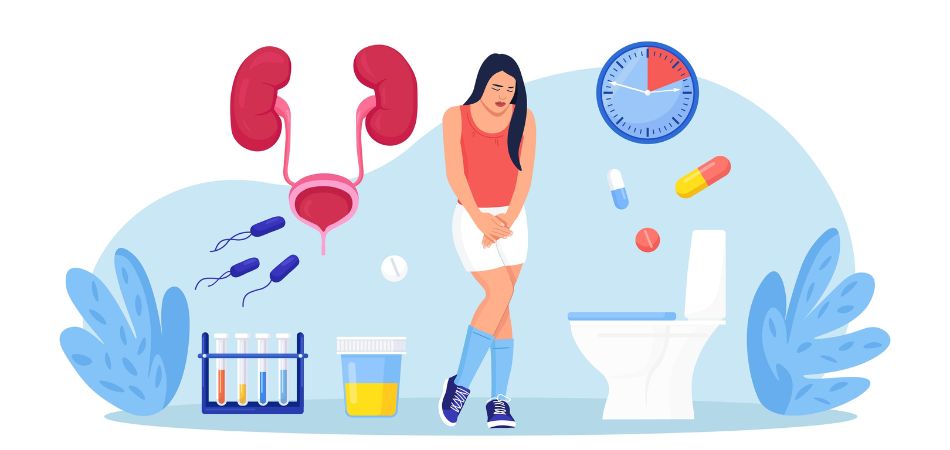
Frequent urination is often the first and most noticeable symptom of ketamine-induced urinary tract issues, a condition commonly referred to as ketamine bladder syndrome. While most people think of ketamine’s psychoactive effects first, its impact on the urinary system can be serious, especially with repeated or high-dose use.
When ketamine is metabolised by the body, it is excreted primarily through the urine. This means the urothelium (bladder lining) is constantly exposed to ketamine and its metabolites. Over time, this repeated exposure can trigger a series of harmful effects:
- Irritation of the bladder lining: The bladder walls are sensitive to chemical irritation. Ketamine can cause inflammation, leading to painful urination, urgency, and discomfort in the lower abdomen or pelvic region. Even small amounts of urine can trigger the urge to go.
- Reduced bladder capacity: Chronic irritation can cause the bladder to contract and lose elasticity. As a result, the bladder cannot hold as much urine as it normally would, often forcing individuals to urinate frequently, including during the night (nocturia).
- Scarring and fibrosis: Persistent inflammation may lead to fibrosis, or scarring, of the bladder wall. This scarring can permanently reduce bladder function and contribute to long-term complications, such as difficulty completely emptying the bladder or recurrent infections.
- Severe complications: If left untreated, ketamine-induced bladder issues can progress beyond discomfort. Chronic inflammation and scarring may impact kidney function, cause blood in the urine (hematuria), or result in chronic pelvic pain that significantly affects quality of life.
Frequent urination is the body’s early warning system that something is wrong. It signals that the bladder is irritated or inflamed, or that it is losing capacity. Ignoring these symptoms can lead to more serious, potentially irreversible damage over time.
Signs and Symptoms of Ketamine-Related Urinary Problems
Recognising early warning signs is vital, as prompt action can prevent serious or irreversible damage. If you use ketamine and notice any of the following symptoms, it could indicate ketamine-induced bladder issues:
- Frequent urination: One of the earliest signs is needing to urinate far more often than usual, sometimes as frequently as every 10–30 minutes. This is a result of inflammation and reduced bladder capacity.
- Strong, sudden urges to urinate: Even small amounts of urine can trigger an urgent, sometimes uncontrollable need to go. This urgency is a hallmark symptom of bladder irritation caused by ketamine.
- Nocturia (waking at night to urinate): Bladder problems can disrupt sleep, forcing multiple nightly trips to the bathroom. Over time, this can contribute to fatigue and affect overall health.
- Pain or burning sensations during urination: Known as dysuria, this symptom occurs due to irritation of the bladder lining and urinary tract. It may range from mild discomfort to sharp pain with every void.
- Lower abdominal or pelvic pain: Persistent discomfort in the lower abdomen, bladder region, or pelvic area often accompanies bladder inflammation. Some users describe a constant ache or pressure, which may intensify after urination.
- Blood in the urine (hematuria): In more advanced cases, chronic irritation can cause bleeding in the urinary tract. Blood in the urine is a serious warning sign and requires urgent medical attention.
- Incontinence or difficulty holding urine: As bladder capacity decreases and urgency increases, some individuals may struggle to control urination, leading to accidental leakage.
It is important to note that symptoms may begin subtly but can escalate extremely quickly if ketamine use continues. Even occasional or recreational users should remain vigilant, as repeated exposure to ketamine can accumulate serious damage over time.
Short-Term vs. Long-Term Effects
Urinary problems due to ketamine abuse often develop in stages. Early symptoms can appear relatively quickly after repeated use and may seem manageable at first. However, without intervention, these short-term effects can progress into serious, long-term damage that may not be reversible.
Short-Term Effects
In the early stages, ketamine begins to irritate the bladder lining as it is repeatedly exposed to the drug. These symptoms are often dismissed as minor or temporary, which is where the real danger lies: the ignorance of what ketamine can do to your body.
- Increased urination frequency: Needing to urinate more often than usual is usually the first red flag. This can occur during the day or night and may begin subtly before becoming disruptive.
- Mild bladder discomfort: Users may notice pressure, aching, or discomfort in the bladder or lower abdomen, particularly when the bladder fills.
- Burning or stinging during urination: Irritation of the bladder and urinary tract can cause painful sensations when passing urine, similar to symptoms of a urinary tract infection.
At this stage, symptoms may come and go, especially if ketamine use pauses. This can create a false sense of reassurance, as this improvement doesn’t mean that you are healing; it often means the inflammation has only temporarily settled, while the underlying damage continues.
Long-Term Effects
With continued or repeated ketamine use, bladder damage can become chronic and progressive. Inflammation may lead to scarring, loss of elasticity, and permanent changes in bladder structure and function.
- Shrinking bladder capacity: Chronic inflammation can cause the bladder to stiffen and contract, dramatically reducing how much urine it can hold. Some individuals may only tolerate very small volumes before feeling intense urgency.
- Chronic urinary urgency and incontinence: Ongoing bladder irritation can lead to constant urgency and difficulty controlling urination, significantly affecting daily life, work, and sleep.
- Persistent pelvic or lower abdominal pain: Long-term ketamine bladder issues are often associated with ongoing pain or pressure that does not resolve after urination and may become a daily, debilitating symptom.
- Increased risk of kidney damage: Severe bladder dysfunction can disrupt normal urine flow and place added strain on the kidneys, increasing the risk of infections, reflux, or long-term kidney complications.
- Potential need for surgical intervention: In advanced cases, medical management may no longer be sufficient. Surgical options, such as bladder reconstruction or diversion, may be required to manage symptoms and preserve kidney function.
Even if symptoms ease temporarily, repeated ketamine use significantly increases the risk of irreversible bladder damage. Once scarring occurs, the bladder has a limited ability to recover, which is why early recognition, prompt medical assessment, and stopping ketamine use are critical.
These symptoms can affect anyone who uses ketamine, including those who consider their use recreational. The risk is higher for individuals with pre-existing urinary or bladder issues, as ketamine can worsen underlying irritation or inflammation. Combining ketamine with other substances, particularly alcohol, further increases the strain on the urinary system by causing dehydration and additional bladder irritation.
Using high doses, frequent doses, or repeated use over short periods leaves the bladder little time to recover, significantly increasing the likelihood and severity of urinary complications.
When to seek medical help
You should speak to a healthcare professional as soon as possible if you experience any of the following:
- Frequent urination that is persistent or worsening over time
- Pain, burning, or discomfort when urinating
- Blood in the urine, which can indicate more serious bladder damage
- Difficulty controlling urination, including urgency or incontinence
- Urinary symptoms that disrupt sleep or interfere with daily life, such as work, social activities, or overall wellbeing
Early medical assessment can help identify bladder inflammation, prevent progression, and reduce the risk of long-term or irreversible damage.
If you feel that ketamine use is becoming difficult to control, or you recognise signs of ketamine addiction, it is important to seek specialist support. Speaking to a rehab professional can help you understand your options and access a structured treatment programme designed to address both addiction and its physical consequences. Getting the right help early can make recovery safer, more effective, and far less disruptive in the long run.
Can Bladder Health Recover After Ketamine Use?
The bladder is remarkably resilient, and in many cases, it can indeed recover after ketamine use if action is taken early. How much recovery is possible often depends on the extent of damage and the duration of ketamine use.
For those in the early stages of ketamine-related bladder issues, symptoms such as frequent urination, urgency, or discomfort may improve significantly within weeks of stopping use. The bladder lining can begin to heal, inflammation can subside, and overall bladder function can start returning to normal.
Individuals with moderate damage may require medical intervention alongside lifestyle adjustments. Treatments can include anti-inflammatory medications, bladder instillations, or pelvic floor therapy, all aimed at reducing irritation and supporting healing. With the right care, many people see noticeable improvements, though recovery may take longer.
In cases of severe bladder damage, however, some changes may be permanent. Chronic inflammation or scarring can reduce bladder capacity, causing ongoing urinary issues. However, even in these situations, symptom management is possible, and a combination of medical treatments and behavioural strategies can help maintain a better quality of life.
The single most important step for protecting and recovering bladder health is stopping ketamine use. Even for long-term users, professional care can make a substantial difference. Early intervention, combined with ongoing support, maximises the chances of recovery and helps prevent further complications.
Practical Steps to Protect Your Bladder:
- Cease ketamine use immediately: The earlier you stop, the greater the potential for recovery.
- Maintain proper hydration: Drinking water helps flush the urinary tract. Minimise irritants such as caffeine and alcohol, which can worsen symptoms.
- Seek professional assessment: Consult a GP or urologist to evaluate bladder health and receive tailored treatment.
- Track your symptoms: Keep a diary of urination frequency, pain levels, and any blood in the urine. This information helps your healthcare provider monitor progress.
- Access addiction support: Stopping ketamine can be challenging. Professional guidance reduces the risk of relapse and supports overall recovery.
Taking these steps can significantly improve bladder health over time. With early action and the right care, even those affected by long-term ketamine use can see meaningful improvements and regain greater control over their urinary health.
Getting help
If you or someone you know is struggling with ketamine use, seeking support early can make a significant difference, for both bladder health and overall wellbeing. Urinary problems linked to ketamine should be assessed by a healthcare professional, such as a GP or urologist, who can provide diagnosis, treatment, and symptom management strategies.
For those facing ketamine addiction, professional treatment and support is equally important. Rehab providers and addiction specialists offer structured ketamine treatment programmes that include ketamine detox, designed to address both substance use and the underlying factors contributing to it. These services can guide you through safely stopping ketamine, managing cravings, and building strategies to prevent relapse.
Combining medical care for bladder issues with addiction support maximises the chances of full recovery and helps restore control over your health and lifestyle. Early intervention, professional guidance, and ongoing support are key steps toward long-term improvement.