

Last Updated:
March 23rd, 2026
Ketamine occupies a unique position in modern pharmacology. Medically, it’s a valuable anaesthetic and, more recently, a rapidly acting treatment for depression and other mental health conditions at controlled doses. Recreationally, however, particularly when used frequently and in high doses, it’s been linked to a distinct form of urinary tract pathology now widely termed ketamine-associated uropathy or ketamine bladder damage. The defining clinical syndrome that results is ketamine-induced cystitis (KIC), a debilitating inflammatory condition of the bladder that can lead to fibrosis, loss of bladder capacity, intense pelvic pain, and, in severe cases, permanent organ damage.
At first glance, ketamine-related bladder damage might seem paradoxical, after all, ketamine has legitimate therapeutic uses, but understanding how and why this damage occurs requires looking at the drug’s metabolism and the bladder’s unique vulnerability to prolonged chemical exposure.
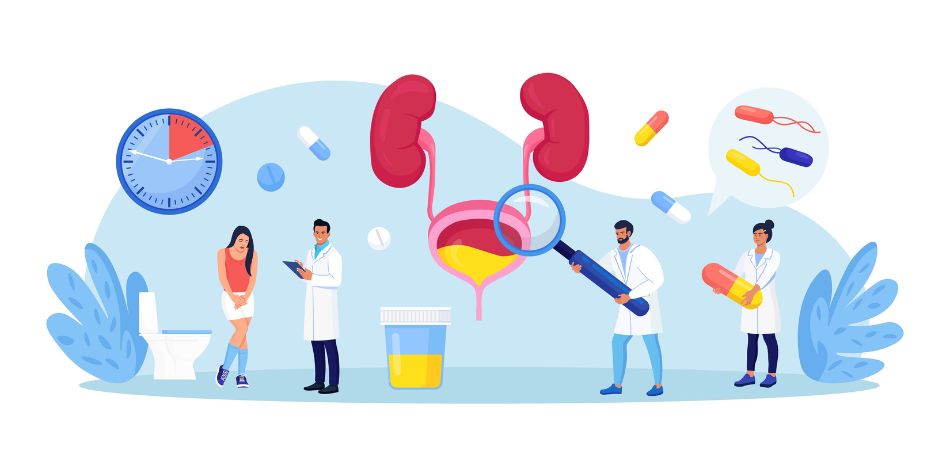
How Ketamine Gets to the Bladder
Ketamine is metabolised in the liver and excreted primarily through the kidneys into the urine. In this process, both ketamine and its major metabolite, norketamine, concentrate in the urinary stream over time. Because the bladder’s role is to store urine, this organ is exposed to ketamine and its metabolites for prolonged periods, sometimes repeatedly in chronic users.
This matters for one key reason: the bladder lining (the urothelium) is designed to be a highly effective barrier protecting deeper tissues from the caustic environment of concentrated urine. When that barrier is damaged, everything beneath it becomes vulnerable.
Step-by-Step Damage: The Pathophysiology
Research suggests that ketamine damages the bladder through multiple overlapping mechanisms, each contributing to a cascade of inflammation, structural change, and functional loss.
This isn’t merely irritation like a mild urinary tract infection, it’s barrier failure. Once the protective layer is compromised, solutes like potassium, ammonia, and urea, normally kept separate by the urothelial barrier, come into direct contact with nerve endings and deeper tissues, which contributes to pain, urgency, and morbidity.
Inflammatory signaling pathways involving cytokines like IL-6 appear to perpetuate tissue damage by promoting a sustained immune response, which can exacerbate bladder wall injury and hinder healing. The net result is a chronic inflammatory milieu that worsens symptoms and drives pathological change.
Functionally, this manifests as:
- Increased urinary frequency and urgency, because the bladder can’t hold normal volumes.
- Reduced bladder capacity, causing the sensation of needing to void even when only a small amount of urine has accumulated.
- Pain with bladder filling, reflecting altered nerve signalling and structural irritation.
As fibrosis deepens, structural changes like bladder contracture, a severe loss of compliant tissue, can become irreversible without surgical intervention.
In parallel, neuronal alterations occur. Chronic inflammation and chemical exposure make sensory nerve fibres in the bladder hyperactive, contributing to pain, urgency, and exaggerated reflexes that drive symptoms like frequency and dysuria (painful urination).
Clinical Features of Ketamine Bladder Damage
The combined effects of these mechanisms produce a recognisable clinical picture known as ketamine-induced cystitis:
- Urinary urgency and frequency, often dramatically so.
- Nocturia, waking repeatedly at night to urinate.
- Pelvic or suprapubic pain, especially when the bladder fills.
- Dysuria and haematuria. Painful urination and blood in the urine.
- Reduced bladder capacity due to fibrosis and stiffening.
Symptoms can begin modestly but progress over time with continued ketamine exposure, with severity closely linked to dose and duration of use.
Severity and Progression
Ketamine bladder damage doesn’t happen overnight. We can see that:
- Short-term or low-dose use may produce minimal or transient irritation.
- Repeated, chronic exposure especially multiple times per week over months to years is associated with significant pathology.
Importantly, research suggests that the extent of structural change mirrors the extent of exposure: higher frequency and longer duration of use translate into deeper inflammation, more fibrosis, and greater functional impairment.
Once major structural change has occurred, such as dense fibrotic tissue or bladder contracture, the damage may be difficult or impossible to reverse without surgical intervention, underscoring the gravity of chronic exposure.
Is Recovery Possible?
The good news, scientifically supported, is that early cessation of ketamine use can halt further damage. When ketamine is discontinued before severe fibrosis has developed, symptoms may gradually improve as inflammation subsides and the urothelium repairs itself. However, this recovery is highly dependent on timing; once structural fibrosis and contracture are entrenched, medical or surgical intervention may be required.
Even in cases where some healing occurs, residual functional impairment may persist depending on how far tissue remodelling advanced before cessation. That’s why early recognition and stopping exposure are critical from a clinical perspective.
Why This Matters Beyond the Individual
The clinical burden of Ketamine bladder is growing internationally as recreational use increases, especially among young adults. Reports from urology wards in the UK show rising admission rates linked to ketamine urinary damage, underscoring that this is not a rare or isolated phenomenon but a public health concern.
Moreover, because early symptoms, urgency, frequency, mild pain, can resemble common bladder infections, the condition may be misdiagnosed or under-recognised, delaying appropriate intervention. Awareness among healthcare providers and users alike improves chances of early detection and reversibility.
A Final Word: Science, Risk, and Context
Ketamine’s therapeutic value at controlled, intermittent, low doses is well established in anaesthesia and emerging psychiatric use. But the mechanisms that make it valuable in medical settings, its biochemical activity and metabolites, are the same properties that can damage the bladder with repeated, high-dose exposure outside of clinical supervision.
From direct urothelial toxicity to chronic inflammation, microvascular injury, neuronal sensitisation, and irreversible fibrotic change, the pathology of ketamine bladder damage is complex and multifaceted — and it illustrates that harm doesn’t require infection, bacteria, or external trauma; chemical injury and immune response alone can degrade a vital organ’s structure and function.
Clinically and scientifically, this underscores a foundational truth in substance effects: dose, frequency, context, and duration matter. Recognising the underlying biological mechanisms clarifies not only why ketamine can damage the bladder, but why early detection and mitigation are vital to averting permanent harm.
When Bladder Damage Is the Warning Sign, Not the Problem
Ketamine-related bladder damage is rarely the starting point; it’s the biological consequence of repeated use that has already crossed into dependence. By the time urinary symptoms appear, the body has been exposed long enough for real, measurable harm to take hold. At that stage, stopping isn’t just about protecting the bladder; it’s about addressing a pattern of ketamine use that is driving ongoing physical injury.
Ketamine addiction doesn’t always announce itself through chaos or collapse. It often shows up quietly, through tolerance, escalation, and “manageable” routines, until the body intervenes. Persistent urinary pain, urgency, or reduced bladder capacity should be treated as a medical and behavioural red flag, not something to push through or ignore.
If ketamine is already affecting your health, the most effective next step isn’t symptom management alone; it’s getting help to stop the cycle that’s causing the harm. Get help and contact us today. We can talk you through your treatment options including ketamine detox, ketamine rehab, as well as support for family members of a ketamine addict.