Last Updated:
March 23rd, 2026
Ketamine Bladder and Physical Health Effects
Ketamine use has increased sharply in recent years, particularly among younger adults who may not realise how damaging the drug can be to the body. While ketamine is often viewed as less risky than other substances, one of its most serious physical consequences is damage to the bladder and urinary system. This condition is commonly referred to as ketamine bladder and can have a profound impact on daily life, comfort, and long-term health.
Ketamine bladder can affect people who are currently using ketamine, those who have used it regularly in the past, and families who are concerned about unexplained urinary symptoms in someone they care about. Understanding how ketamine affects the body, what symptoms to look for, and when to seek support can make a meaningful difference.

What is ketamine bladder?
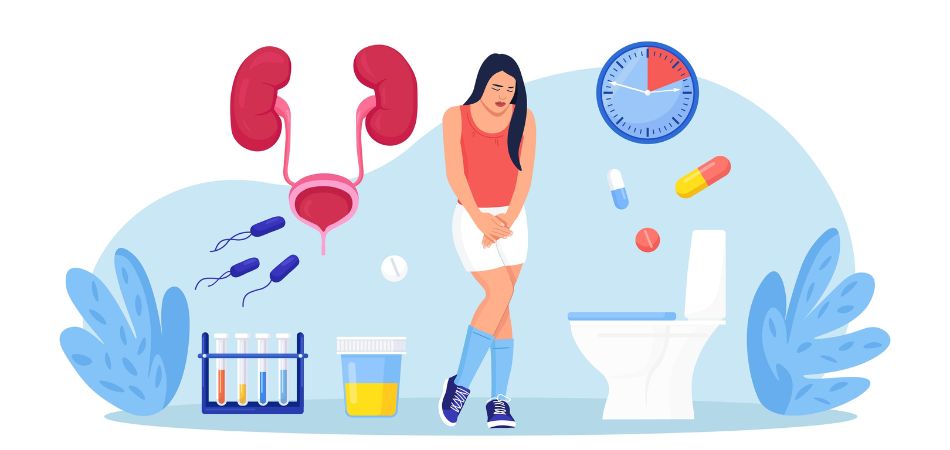
Ketamine bladder is a condition caused by repeated exposure to ketamine and its by-products as they pass through the urinary system. It is sometimes referred to as ketamine cystitis, as the damage often resembles severe inflammation of the bladder.
When ketamine is processed by the body, it is broken down and excreted through urine. Over time, these substances irritate the lining of the bladder. This irritation can become chronic, leading to inflammation, scarring, and a gradual loss of the bladder’s ability to stretch and store urine comfortably.
Ketamine bladder does not usually develop overnight. In many cases, symptoms appear gradually and may be dismissed or misattributed to infections or other minor issues. Without early recognition, the condition can worsen and lead to lasting physical harm.
How ketamine affects the bladder and urinary system
The bladder is designed to hold urine safely until it can be passed. Its inner lining acts as a protective barrier. With ongoing ketamine use, this protective layer becomes damaged.
Repeated irritation can lead to inflammation of the bladder wall. As this inflammation continues, the bladder may begin to stiffen and shrink. This reduces how much urine it can comfortably hold and increases pressure within the urinary system. In more advanced cases, the damage can extend beyond the bladder, affecting the ureters and kidneys.
Because ketamine is often used repeatedly over long periods, the bladder is exposed to these irritants again and again. This is why ketamine bladder tends to worsen rather than resolve on its own if use continues.
Ketamine bladder symptoms to be aware of
Ketamine bladder symptoms can vary from person to person, and their severity does not always match how often someone uses ketamine. Some people experience mild symptoms early on, while others develop severe problems more quickly.
Common ketamine bladder symptoms include:
- Needing to urinate far more often than usual
- Sudden, intense urgency with little warning
- Pain or burning when passing urine
- Blood visible in the urine
- Difficulty fully emptying the bladder
- Waking multiple times at night to urinate
- Persistent pelvic or lower abdominal pain
These symptoms often interfere with work, sleep, social life, and overall wellbeing. Over time, they may become constant rather than occasional.
When symptoms are missed or misunderstood
Ketamine bladder is frequently misdiagnosed, particularly in its early stages. Many people are initially treated for recurrent urinary tract infections or general cystitis, especially if ketamine use is not disclosed.
Shame, fear of judgement, or not realising the link between ketamine and urinary symptoms can delay accurate diagnosis. Unfortunately, continued ketamine use during this period can allow the damage to progress.
If urinary symptoms keep returning, worsen over time, or do not respond to standard treatments, ketamine bladder should be considered, particularly in younger adults with a history of ketamine misuse.
How ketamine bladder progresses over time
The wider physical health effects of ketamine misuse
While ketamine bladder is one of the most distinctive physical consequences of ketamine misuse, it is rarely the only one. Long-term ketamine use can also affect other parts of the body.
Some people experience digestive discomfort, abdominal pain, or liver strain. Nasal damage can occur with frequent snorting, leading to nosebleeds and chronic irritation. Fatigue, weight loss, and a general decline in physical health are also common when ketamine use becomes regular.
Bladder damage often exists alongside these other health concerns, highlighting the need for a broader approach to wellbeing rather than focusing on symptoms in isolation.
Can ketamine bladder improve?

Stopping ketamine use is the most important factor in preventing further bladder damage. In some cases, particularly when the condition is identified early, symptoms may improve gradually after ketamine use stops.
Improvement is not guaranteed, and recovery can take time. Some people continue to experience symptoms for weeks or months after stopping. In more advanced cases, damage may be permanent, and ketamine rehab treatment focuses on managing symptoms rather than reversing the condition.
A medical assessment is essential to understand the extent of damage and what improvements may be realistic.
Seeking medical help for ketamine bladder symptoms
If ketamine bladder symptoms are present, speaking to a healthcare professional is an important step. GPs and specialists are increasingly aware of ketamine-related bladder damage and can offer appropriate support.
Assessment may involve discussing symptoms, reviewing medical history, and arranging investigations to understand how the bladder and kidneys are functioning. Being open about ketamine use helps ensure that symptoms are correctly identified and managed.
Healthcare professionals are there to help, not to judge. Early medical support can reduce the risk of long-term complications.
Addressing ketamine use alongside physical health
Ketamine bladder and ketamine use are closely linked. Treating bladder symptoms without addressing ongoing ketamine misuse is unlikely to be effective in the long term.
Support may involve understanding why ketamine use has continued despite physical harm, and identifying ways to reduce or stop use safely. This process looks different for everyone and should be tailored to individual needs.
Addressing both physical health and substance use together gives the best chance of stabilising symptoms and preventing further damage.
Speaking to EATA about ketamine-related health concerns
If you are worried about ketamine bladder symptoms, or concerned about someone you care about, EATA offers a confidential and supportive space to talk things through.
EATA can help you understand what may be happening, explore next steps, and discuss support options without pressure or judgement. Reaching out early can prevent symptoms from worsening and help you feel less alone in navigating a difficult situation.
Frequently Asked Questions
Discover our ketamine help guides