Last Updated:
March 23rd, 2026
Ketamine Rehab and Addiction Treatment | Recovery Support
Reaching the point of considering ketamine rehab is rarely a sudden decision. For many people, it follows months or years of trying to manage ketamine use alone, often alongside growing concerns about mental health, physical wellbeing, or strained relationships. Families and loved ones may also be searching for answers after noticing changes they can no longer ignore.
Ketamine addiction treatment offers structured support at a stage where informal efforts are no longer enough. Understanding how ketamine rehab works, what it involves, and when it may be appropriate can help people make informed decisions without feeling pressured or judged.
Understanding ketamine addiction
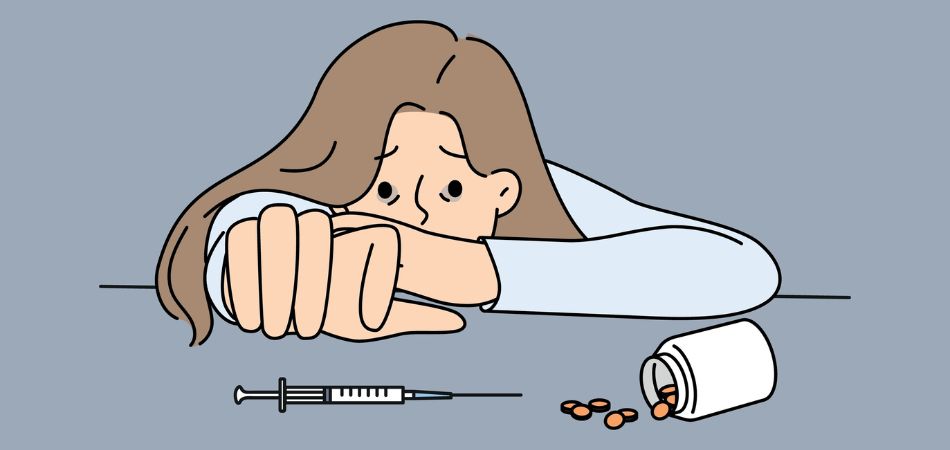
Ketamine addiction develops when regular use begins to override choice and control. Although ketamine does not always cause severe physical withdrawal, it can create a strong psychological reliance. Over time, the brain adapts to the drug’s effects, particularly its ability to dull emotions or provide escape from distress.
As tolerance builds, larger or more frequent doses may be needed to achieve the same effects. This can lead to a cycle where ketamine use becomes central to coping, decision-making, and daily routine. Ketamine addiction often affects mental health, motivation, memory, and emotional stability, even when use initially felt manageable.
When ketamine use becomes a problem
Not everyone who uses ketamine will need rehab, but certain patterns suggest that support may be necessary. These signs often develop gradually and may be easier for others to notice first.
Common indicators include:
- Using ketamine more often or in larger amounts than intended
- Repeated attempts to cut down or stop without success
- Strong cravings or preoccupation with using ketamine
- Continued use despite harm to mental health, physical health, or relationships
- Withdrawing from responsibilities, hobbies, or social connections
Recognising these patterns early can help prevent further harm and reduce the risk of long-term consequences.
Worried about yours or a loved ones Families and Loved Ones of Ketamine Addiction?
Why ketamine rehab is often necessary
Many people hope they can stop ketamine use through willpower or short breaks alone. While this works for some, ketamine addiction often involves deeper psychological factors that make stopping difficult without structure and support.
Ketamine rehab provides time and space away from triggers, access to professional guidance, and a stable environment focused on recovery. It helps address not just the behaviour of using ketamine, but the reasons it became necessary in the first place. Seeking rehab is not a failure. It is often a practical response to a problem that has outgrown informal solutions.
What is ketamine rehab?
Ketamine rehab is a structured form of ketamine addiction treatment designed to support people through early abstinence and the foundations of recovery. Most ketamine rehab programmes are residential, meaning individuals stay in a dedicated setting for a period of time.
Rehab focuses on stabilisation, understanding patterns of use, and building healthier ways of coping. It is different from detox alone. While detox addresses the immediate process of stopping ketamine, rehab looks at longer-term recovery and relapse prevention.
Ketamine detox and rehab together
Ketamine detox is often the first stage of ketamine rehab. Detox supports people as they stop using ketamine and begin adjusting physically and emotionally. Because ketamine withdrawal is primarily psychological, detox usually focuses on monitoring mental wellbeing, managing anxiety and sleep, and offering reassurance during cravings.
Detox alone is rarely enough to sustain recovery. Ketamine rehab builds on detox by addressing underlying triggers, thought patterns, and emotional needs that contribute to ongoing use.
What happens during ketamine addiction treatment
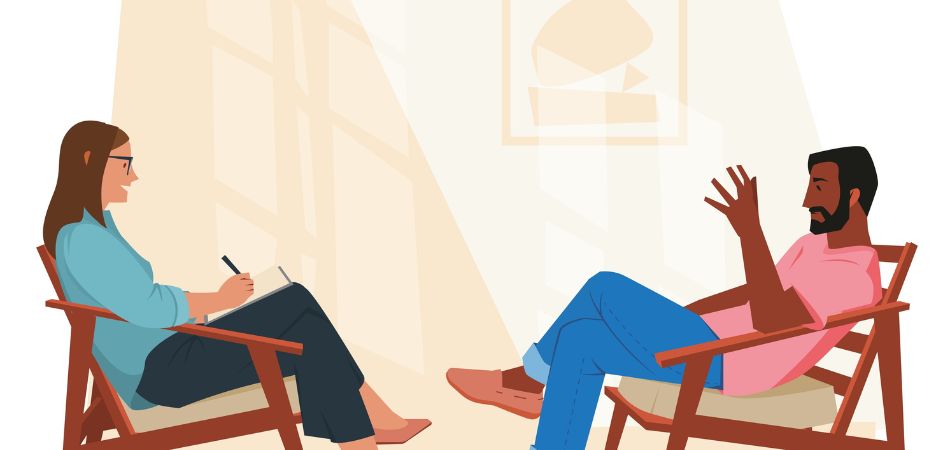
Ketamine rehab and addiction treatment follow a structured but flexible process. The aim is to meet people where they are, rather than fit everyone into a rigid model.
Worried about yours or a loved ones Families and Loved Ones of Ketamine Addiction?
Length of ketamine rehab and what to expect
The length of ketamine rehab varies depending on individual needs. Some people benefit from shorter stays focused on stabilisation and early recovery, while others require longer periods to address more complex patterns.
Effective ketamine addiction treatment is flexible. Progress is measured by emotional stability, engagement, and readiness for the next stage, rather than time alone.
Supporting long-term recovery after rehab
Recovery from ketamine addiction does not end when rehab finishes. Ongoing support helps maintain progress and reduce the risk of relapse. Aftercare may include continued therapy, peer support, and structured follow-up.
Long-term recovery is about learning how to respond to stress, emotions, and challenges without returning to ketamine use. Support after rehab provides continuity during this adjustment.
How ketamine rehab supports families
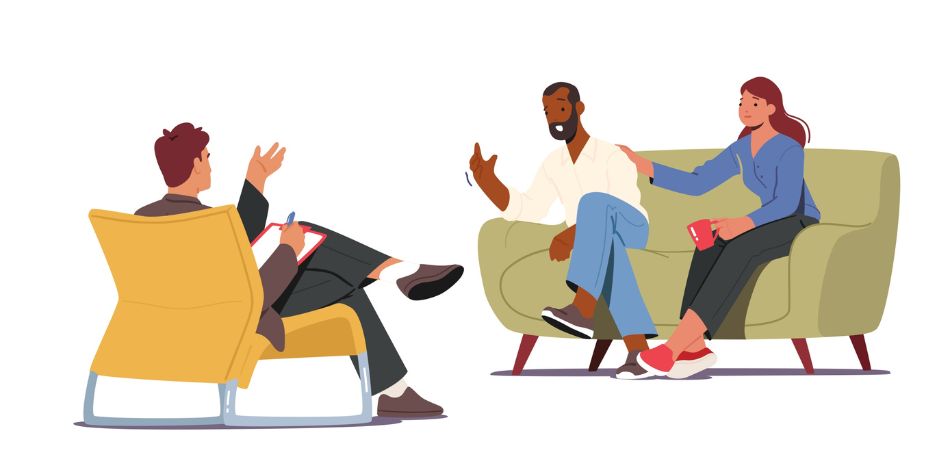
Ketamine addiction affects more than the person using the drug. Families often experience confusion, worry, and emotional strain. Ketamine rehab can help families understand addiction, improve communication, and establish healthier boundaries.
Family involvement may include education, structured conversations, or guidance on supporting recovery without enabling harmful patterns. Supporting families helps create a more stable environment for everyone involved.
Speaking to EATA about ketamine rehab and treatment
If you are considering ketamine rehab, or concerned about someone you care about, EATA offers confidential and compassionate guidance.
EATA focuses on understanding individual circumstances and exploring appropriate next steps. Conversations are assessment-led rather than sales-driven, helping people feel informed and supported rather than pressured. Reaching out can provide clarity at a time when decisions feel overwhelming.
Worried about yours Families and Loved Ones of Ketamine Addiction?
Frequently Asked Questions
Discover our ketamine help guides